

The Modern Marketing Leader’s Toolkit: AI Fluency, Data Literacy, and Business Acumen

Nitin Mahajan
—
October 4, 2026



Getting people to your website is one thing, but getting them to actually buy something? That's the real challenge. Many businesses pour money into ads and content, only to see visitors leave without making a purchase. The secret sauce for turning those browsers into buyers often comes down to smart funnel automation. It's about building a system that guides potential customers smoothly from their first click all the way to becoming a loyal customer, without you having to manually chase every single lead. Let's talk about how to make that happen.
So, you've got people visiting your website. That's great, right? It means your ads, your articles, your social media posts are actually doing their job of getting eyeballs. But then comes the hard part: turning those visitors into actual customers. It’s a common story – lots of traffic, but the sales numbers just aren't where you want them to be. Most people who land on your site aren't ready to buy right then and there. They're just looking around, maybe comparing options, or they might just get distracted and forget about you the second they close the tab. This is where funnel automation really shines.
Think about it. When someone visits your site, they're in a specific frame of mind. If you can capture their interest and guide them immediately, you're way more likely to make a sale. Manual follow-ups are slow and often inconsistent. Someone might miss an email, or a salesperson might get busy. Automation takes that human element out of the equation for the initial stages. It’s about being there at the exact moment someone shows interest and keeping them engaged without any delay. This consistent, timely interaction is key to moving people from just browsing to actually buying.
An automated sales funnel basically acts like a tireless salesperson who works around the clock. It greets visitors, asks for their contact information (maybe in exchange for something useful), sends them relevant content based on what they're interested in, and gently nudges them towards making a purchase. It’s a structured path designed to educate and persuade, all happening automatically. This means no lead gets forgotten, and every potential customer is treated to a consistent experience, regardless of the time of day or day of the week.
There are some pretty big wins when you set up an automated sales funnel. For starters, you get instant engagement with people who are showing interest right now. You don't have to wait for someone to be available to send a follow-up email; it happens automatically. This consistency is a huge plus. Plus, you get a much clearer picture of where people are dropping off in your process. This information is gold for making improvements.
Here are a few more benefits:
Relying solely on manual processes for your sales funnel is like trying to catch water with a sieve. Automation provides the structure and consistency needed to hold onto potential customers and guide them effectively towards a sale.
So, you've got people visiting your website. That's great, but it's just the start, right? The real challenge is turning those visitors into actual customers. This is where a solid strategy for your automated funnel comes into play. Think of it as a detailed map showing exactly how someone goes from first hearing about you to actually buying something, and even becoming a repeat customer. A good strategy makes sure no potential sale slips through the cracks. It takes the guesswork out of selling and gives you a clear path to guide people along. Every interaction, from the first ad they see to the thank-you email after they buy, needs a purpose and should push them a little further.
Before you can automate anything, you need to really understand the path your customer takes. What are they looking for? What questions do they have at each stage? Mapping this out helps you figure out where automation can step in. It's not just about following a generic path; it's about understanding the specific steps your customers take.
Not all visitors are created equal. Some are just browsing, while others are actively looking to buy. Your automated funnel needs to recognize this. You want to catch those high-intent visitors and give them what they need, fast. This might mean showing them specific offers or content based on what page they're on or what they've clicked before.
The goal is to make the visitor feel understood and guided, not pushed. When automation feels helpful and relevant, it builds a positive impression.
Trust is huge in sales. Automation can actually help build trust if done right. Every email, every message, every piece of content should be helpful and honest. Avoid being overly pushy. Instead, focus on providing value and answering questions. Consistency is key here; make sure the tone and information are the same across all automated interactions. This builds confidence and shows you're a reliable source.
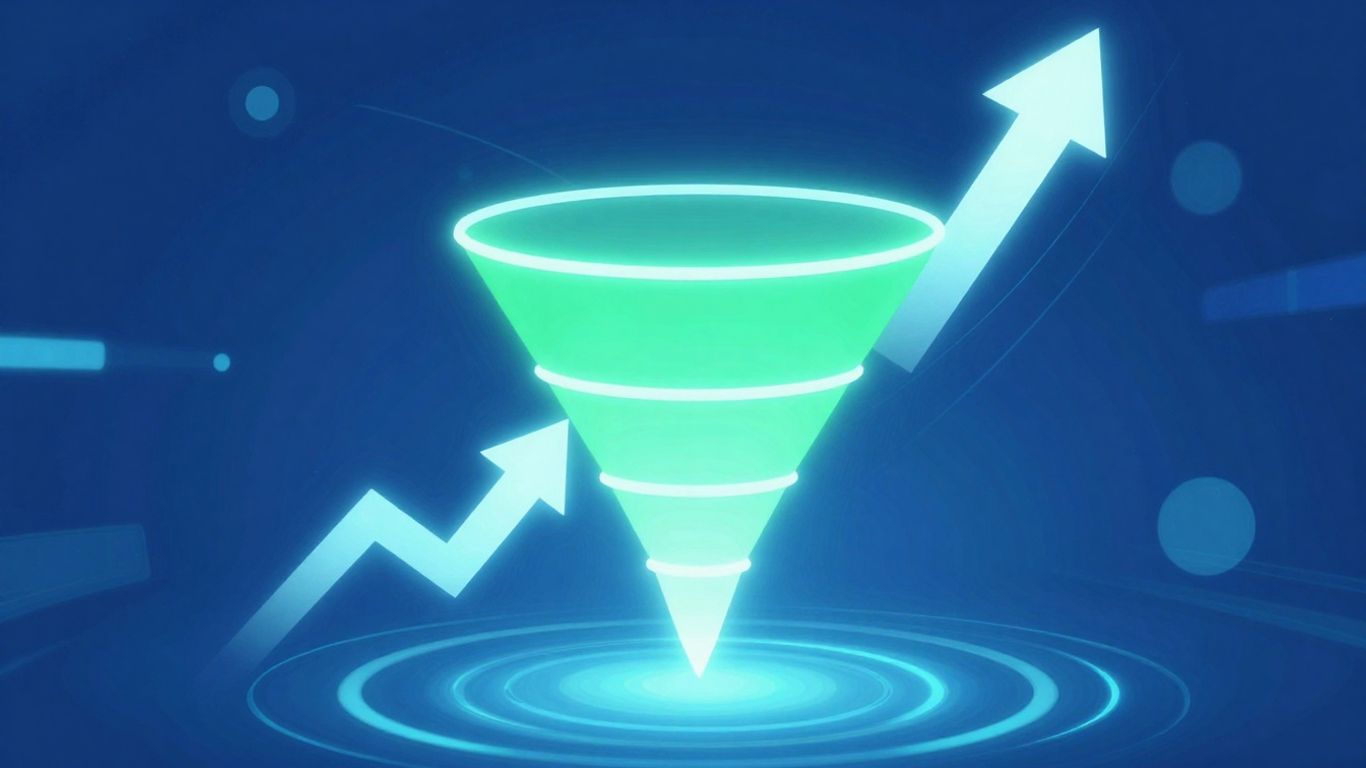
Not everyone who stumbles upon your website is ready to buy right away, which is why AI agents for lead qualification have become essential for modern sales funnels. Some folks need a little more convincing, a bit more information, or just a gentle nudge at the right time. That's where lead nurturing automation comes in. It's like having a patient, always-on assistant who keeps your brand top-of-mind without being annoying.
Think about it: someone downloads your free guide, signs up for a webinar, or even just browses your pricing page. That's a signal of interest, but it's rarely a commitment. Automation lets you respond to these signals immediately. You can set up a series of emails or messages that go out automatically, offering more helpful content related to what they showed interest in. For instance, if they downloaded a guide on social media marketing, your automated sequence could follow up with a blog post about effective social media ad strategies, then maybe a case study of a business that saw great results.
Generic messages just don't cut it anymore. People expect communication that feels like it's meant just for them. Automation tools can pull data from your CRM or website activity to personalize these messages. Instead of saying "Hi there," you can say "Hi Sarah," and reference the specific product she viewed or the problem she's trying to solve. This level of personalization makes a huge difference in how receptive people are.
Personalization isn't just about using someone's name; it's about showing you understand their specific situation and offering relevant solutions. This builds a connection that feels genuine, even when it's automated.
Here’s a quick look at how personalization can work:
Sometimes, even with all the right steps, a lead might go cold. Maybe they got busy, maybe a competitor swooped in, or maybe they just weren't quite ready. Lead nurturing automation can help bring them back. You can set up sequences that trigger after a period of inactivity, offering a special discount, a limited-time offer, or a chance to speak with a specialist. It’s about re-engaging them at a moment when they might be reconsidering or when their need has become more urgent. This proactive approach can turn a lost lead into a paying customer.
So, you've got your automated funnel set up. That's great! But here's the thing: it's not a 'set it and forget it' kind of deal. Think of it more like a garden. You plant the seeds, sure, but then you've got to water it, pull the weeds, and make sure it's getting enough sun. If you don't, it'll just… well, it won't grow as well. The same goes for your automated sales funnel. To really get the most out of it, you need to keep an eye on it and make tweaks. It’s about making sure it’s always working its best to turn those visitors into customers.
Look, if you can't measure what's happening, how are you supposed to make it better? That's where funnel optimization comes in. It's not just about setting up the automation; it's about constantly checking in to see if it's doing its job. A funnel that's performing well isn't just built and then left alone. It needs regular attention, testing, and adjustments based on what the numbers are telling you. Businesses that do this consistently tend to do better because they catch small problems before they turn into big money leaks.
This is where you stop guessing and start knowing. A/B testing is basically trying out two different versions of something – like a webpage, an email subject line, or a button color – to see which one performs better. You show version A to half your audience and version B to the other half, then you look at the results. Did more people click the button in version B? Did more people sign up from the email with subject line A? It’s a straightforward way to figure out what actually works with your specific audience.
Here's a simple breakdown of how to approach it:
Your customers are talking, and you should be listening. What they say can give you some really good ideas about how to make your funnel work better. Sometimes, a customer will mention something small that, when you look into it, is actually a big reason why people aren't moving forward. It could be a confusing instruction on a form, a link that doesn't work, or an offer that just doesn't make sense to them.
Paying attention to what your customers say, whether it's through surveys, reviews, or direct messages, can highlight areas where your automated process might be falling short. It’s like getting free advice on how to fix your funnel and make it more user-friendly.
By combining what the data tells you with what your customers are telling you, you get a much clearer picture of how to make your automated funnel truly effective. It’s an ongoing process, but the payoff in better conversions is usually well worth the effort.
Look, we all know that running a business involves a lot of repetitive tasks. Things like sending follow-up emails, updating customer records, or even just assigning leads to the right sales rep can eat up a surprising amount of time. If you're not careful, these small tasks can really slow things down, creating bottlenecks that stop potential customers in their tracks. That's where workflow automation tools come in. For businesses managing mobile teams, field service automation can extend workflow automation across scheduling, dispatching, job tracking, customer updates, and field data capture. They're designed to take over these routine jobs, freeing up your team to focus on what really matters: talking to customers and closing deals.
Think about your current sales process. Where do things tend to get stuck? Is it when a lead comes in and no one follows up for hours? Or maybe it's when information needs to be passed from marketing to sales, and it gets lost in translation (or email chains). Automated workflows can fix this. You can set up rules that say, 'When X happens, then do Y.' For example, when someone fills out a contact form, an automated workflow can instantly send them a welcome email, add them to a specific nurture sequence, and notify the appropriate sales team member. This means no lead gets forgotten, and everyone knows what needs to happen next.
One of the biggest headaches with manual processes is getting accurate, up-to-date information. You might spend hours compiling reports, only to find the data is already old by the time you're done. Workflow automation tools change that. They can pull data from all your connected systems and present it in easy-to-understand dashboards. This means you can see exactly how your funnel is performing right now. If a particular stage is seeing a drop-off, you'll know immediately and can investigate. This real-time visibility allows for much quicker, smarter decisions.
Having clear, up-to-the-minute data means you're not flying blind. You can spot issues early and make adjustments before they become major problems, which is a huge advantage in today's fast-paced market.
Ultimately, the goal of streamlining processes is to make your team more effective. When your sales reps aren't bogged down with administrative tasks, they have more time to do what they do best: build relationships, understand customer needs, and present solutions. Automation handles the repetitive stuff, allowing your human talent to focus on the complex, high-value interactions that actually drive revenue. This not only improves sales performance but can also boost team morale because people generally prefer doing engaging work over tedious data entry.
So, where is all this funnel automation stuff heading? It’s not really a surprise that things are getting smarter, faster, and way more personalized. We're talking about a future where your sales funnel isn't just a set of automated emails, but a dynamic, intelligent system that practically reads your customer's mind.
Think about it: instead of a generic welcome email, imagine a message that pops up with an offer perfectly tailored to what a visitor just looked at on your site. That's AI stepping in. It's not just about using their name; it's about understanding their behavior, their interests, and even their potential needs before they fully realize them. This means every single interaction, from the first ad they see to the thank-you note after a purchase, feels like it was made just for them. It makes a huge difference in how people feel about your brand.
This is a big one. We're moving beyond just tracking clicks. New tools can now figure out what someone is really looking for, right now. Are they comparing prices? Are they looking for reviews? Are they about to hit 'buy'? When the system spots these buying signals, it can trigger an immediate, relevant response. Maybe it's a chat pop-up offering help, a special discount, or a link to a product comparison. The goal is to engage with people the moment their interest spikes, not hours or days later. This speed is what turns a curious browser into a happy customer.
Figuring out which leads are actually worth your time has always been a challenge. Predictive analytics is changing that. By looking at patterns in data – things like how a lead interacts with your content, their industry, or even their company size – systems can now predict how likely they are to convert. This means your sales team can focus their energy on the prospects who are most likely to buy, instead of chasing leads that will probably go nowhere. It's about working smarter, not just harder.
The days of a one-size-fits-all approach to sales funnels are fading fast. The future belongs to systems that can adapt on the fly, understand individual customer needs, and act with incredible speed and precision. Getting ahead means starting to explore these advanced capabilities now, rather than waiting until they become the industry standard.
So, we’ve talked a lot about how to get more people to actually buy stuff after they land on your site. It’s not just about getting traffic; it’s about making sure that traffic does something useful. Using automated systems to guide people, tweaking each step along the way, and keeping an eye on the numbers are the big things here. Don’t just set it and forget it. Keep looking at what’s working and what’s not, and make changes. When you do that, you’ll start seeing more sales and fewer people just bouncing off your pages. It’s a process, sure, but it’s the way to really grow your business online.
The fastest way to boost sales is to set up an automated sales funnel. This system automatically guides visitors toward buying without you having to do much. Keeping track of important numbers helps you see what's working.
Automated messages keep your brand in people's minds. They send helpful information at the right times, answer questions, and build trust. This makes sure people don't forget about you before they're ready to buy.
Making small changes to your sales process, like improving the words on a button or making a form easier to fill out, can make a big difference. It helps you get more customers without having to spend more money on ads.
Yes! These tools can send follow-up emails, update customer lists, and even make calls automatically. This frees up your sales team to focus on the most important tasks and helps customers buy faster.
The future is all about using smart computer programs (AI) to make things super personal for each customer. We'll also be able to tell exactly when someone is ready to buy and use smart guessing to know who is most likely to become a customer.
The key is to use automation to handle tasks, constantly test and improve each step of the process, and measure everything to see what's working. It's about building a system that consistently turns visitors into buyers.