


The Modern Marketing Leader’s Toolkit: AI Fluency, Data Literacy, and Business Acumen

Nitin Mahajan
—
October 4, 2026



So, you're trying to figure out how your marketing money is actually working, right? It's a common puzzle. You've got all these different ways you're reaching people – ads here, emails there, social posts everywhere. But which one is *really* making the sale happen? That's where things get a bit tricky. We're going to break down two ways people try to answer this: media mix modeling vs attribution modeling. They sound similar, and they both try to make sense of your marketing efforts, but they look at things quite differently. Understanding these differences can help you spend your budget smarter and get better results.

So, you're trying to figure out where your marketing money is actually doing some good, right? It's a common puzzle. We've got these two big ideas floating around: Media Mix Modeling (MMM) and Attribution Modeling. They sound similar, and honestly, they both aim to help you spend your budget smarter, but they go about it in pretty different ways.
Basically, marketing attribution is all about figuring out which specific interactions a customer had with your brand actually led them to make a purchase or take some other desired action. Think of it like detective work for your marketing. You're tracking down all the clues – maybe it was seeing a social media ad, clicking on a search result, getting an email, or even just visiting your website directly. Attribution models try to assign a sort of 'credit' to each of these touchpoints. The goal is to understand what's working and what's not, so you can stop wasting money on things that don't move the needle. Without attribution, you're often just guessing which ads or campaigns are responsible for sales.
Customers don't usually just see one ad and buy something immediately. Their path to purchase can be pretty winding. They might see a banner ad while browsing, then later search for your product, read a review, get an email offer, and finally click through to buy. Attribution models try to map out this whole journey. They look at all those different steps, or 'touchpoints,' and try to figure out how much each one contributed. This is super important because different channels play different roles. Some might be great for getting people to notice your brand in the first place (like a big display ad campaign), while others are better at closing the deal (like a targeted search ad for people already looking for your product).
Here’s a quick look at how different models might assign credit:
Understanding these different paths helps you see how a customer really interacts with your brand over time. It's not just about the last click; it's about the whole story.
When you actually know which marketing efforts are driving results, you can make much better decisions. Instead of just throwing money at whatever seems popular or what you think is working, you can direct your budget to the channels and campaigns that are proven to bring in customers. This means you can stop overspending on things that aren't performing and invest more in the ones that are. For example, if attribution shows that your email marketing is a huge driver of sales, you'll want to put more resources into building your email list and creating better email content. It helps you optimize your spending, improve your return on investment, and ultimately grow your business more effectively.
Okay, so we've talked about what attribution and media mix modeling (MMM) are, but how do they actually stack up against each other? It's easy to get them mixed up, but they really look at marketing from different angles.
Think of attribution modeling like being a detective at a crime scene, but the crime is a customer making a purchase. Attribution zooms way in on the individual interactions a customer has with your brand. It tries to figure out exactly which ad they saw, which email they clicked, or which social post they liked that ultimately led them to buy something. It's all about the specific moments and touchpoints along that customer's journey.
For example, if someone sees a Facebook ad, then clicks a Google search ad, and finally buys, attribution tries to split the credit between those two ads. It gets pretty detailed, looking at things like:
Attribution models are fantastic for understanding the micro-level details of how customers interact with your campaigns. They help you see which specific ads or content pieces are nudging people closer to a sale.
Media Mix Modeling, on the other hand, is like looking at the whole forest instead of just the individual trees. It takes a much bigger, broader look at how all your marketing efforts, and even external factors like the economy or competitor actions, contribute to your overall sales or business goals. MMM doesn't usually track individual customer journeys; instead, it uses historical data to see patterns across larger time periods.
MMM uses statistical analysis to figure out how much each marketing channel (like TV ads, radio, digital ads, social media, etc.) contributes to your total sales. It can also tell you how things like seasonality or promotions impact your results. It's less about the specific ad someone saw and more about, "Did our TV campaign, combined with our digital spend and a competitor's sale, lead to more overall sales last quarter?"
So, they're different, right? Attribution is your detailed, customer-level view, while MMM is your high-level, strategic overview. The real magic happens when you use them together. Attribution tells you which specific ads are working best within a channel, and MMM tells you how much you should be spending on that channel overall. You can't really replace one with the other; they give you different, but equally important, pieces of the puzzle for making smarter marketing decisions.
When we talk about attribution, we're really trying to figure out which marketing efforts actually led to a customer taking a desired action, like making a purchase or signing up for a newsletter. It's about assigning credit where credit is due across all the different ways a customer might interact with your brand before they convert.
At a high level, attribution models fall into two main camps: single-touch and multi-touch. The difference is pretty straightforward: single-touch models give all the credit to just one interaction, while multi-touch models spread the credit across several touchpoints.
Within these two categories, there are several specific models you'll see:
While attribution models are super helpful, they aren't perfect. They often struggle to account for offline interactions or the influence of brand building over time.
Sometimes, the data just doesn't tell the whole story. A customer might see a billboard, then later search online, and finally click an ad. If your attribution model only looks at digital touchpoints, you might miss the impact of that initial offline exposure. It's like trying to understand a whole conversation by only listening to the last sentence.
Also, different models are better suited for different business types. A quick e-commerce purchase journey might be well-served by last-touch, but a long B2B sales cycle with many decision-makers will need something more sophisticated like time-decay or algorithmic attribution to truly understand what's working.
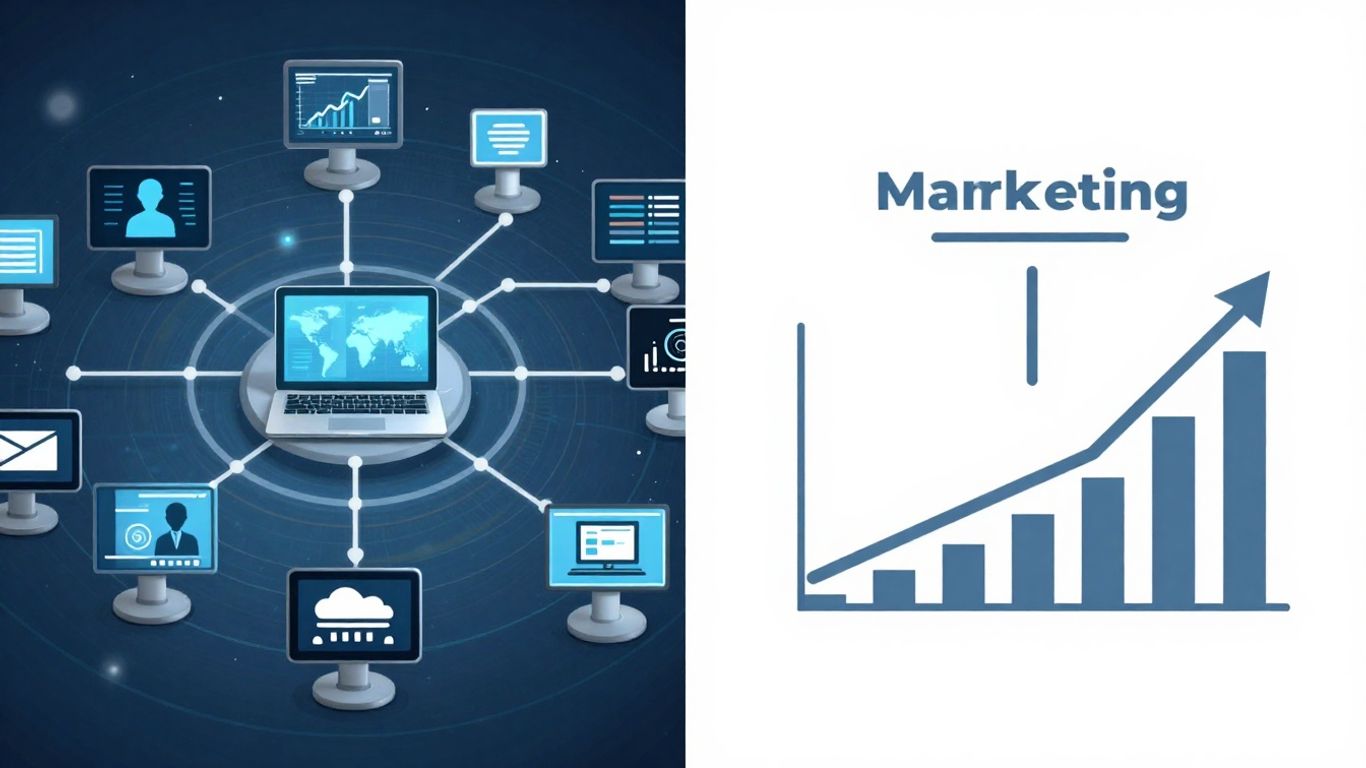
Media Mix Modeling (MMM) is like looking at the big picture of your marketing efforts. Instead of zeroing in on individual clicks or impressions, MMM takes a step back to see how all your different marketing activities, across all channels, work together to influence sales over time. It uses historical data, often looking back a year or more, to figure out which channels and campaigns had the biggest impact on your overall business goals, like revenue or market share.
At its heart, MMM is a statistical analysis technique. It uses regression analysis to break down past sales or business outcomes and attribute a portion of that success to various marketing inputs. Think of it as a detective trying to solve the mystery of what made customers buy. It considers not just your advertising spend but also external factors that might have affected sales, like seasonality, competitor actions, or even economic changes. This gives you a more holistic view than just looking at digital interactions.
MMM looks at a few main things to build its picture:
So, why bother with MMM? Well, it offers some pretty significant advantages for making smart business decisions:
MMM is particularly strong when you need to understand the impact of offline channels like TV, radio, or print, which are harder to track with digital-first attribution models. It provides a top-down view that complements the bottom-up insights from attribution. This combined approach helps paint a complete picture of your marketing's effectiveness.
For example, a company might use MMM to discover that a 10% increase in their TV ad budget, combined with a 5% increase in paid search, leads to a projected 8% lift in sales over the next quarter, while keeping other factors constant. This kind of insight is invaluable for strategic planning.
So, you've got these two big ideas – Media Mix Modeling (MMM) and Attribution Modeling. They both help you figure out where your marketing money is going and what's actually working. But picking the right one, or even knowing if you need both, isn't always straightforward. It really depends on what your business is like and what you're trying to achieve.
Think about what you want to get out of your marketing. Are you trying to get people to know your brand exists, or are you focused on making sales right now? This is a big one.
The key is to match your measurement tool to what you're trying to accomplish. If you're aiming for quick sales, a model that focuses on the final click makes sense. If you're building a relationship over months, you need to see the whole journey.
This is where things can get a bit technical, but it's super important. How much data do you have, and how good is it?
How long does it take for someone to buy from you, and how many different ways do they find you?
Ultimately, the best approach is often a combination. MMM can give you the big picture on how your overall marketing spend affects sales, while attribution models can zoom in on the specific customer interactions that lead to conversions. Don't be afraid to try different things and see what makes the most sense for your business.
So, you've got all this data from your attribution models and media mix modeling. Now what? It's not just about collecting numbers; it's about actually using them to make your marketing work better. Think of it like having a super detailed map – you wouldn't just stare at it, right? You'd use it to figure out the best route.
This is where the rubber meets the road. Both MMM and attribution give you a clearer picture of what's actually driving results. Instead of just guessing where to put your money, you can make informed choices. For instance, if your attribution shows that social media ads are great for getting people interested early on, but email marketing closes most of the deals, you adjust your spending accordingly. Media mix modeling helps you see the bigger picture, like how a TV campaign might boost online searches, even if it's not directly trackable in a single customer journey.
Here’s a simplified look at how you might shift budgets:
It's not just about spending money; it's about making the customer's journey smoother. When you understand which touchpoints are most effective, you can focus on making those interactions really count. If you see that customers who engage with your blog content before buying tend to have a higher lifetime value, you'll want to make sure your blog is top-notch and easy to find. This means creating more helpful articles, improving site navigation, and personalizing content based on what you know about your audience. It’s about meeting people where they are and giving them what they need at each stage. You can adapt your digital marketing strategy for 2026 by using these insights.
The goal is to move beyond just tracking clicks and impressions. It's about understanding the 'why' behind customer actions. This deeper insight allows for more personalized communication and a more relevant experience, which naturally leads to better engagement and loyalty.
Marketing isn't a set-it-and-forget-it kind of thing. The landscape changes, customer behavior shifts, and your models need to keep up. Regularly reviewing your data and the insights you're getting is key.
Here’s a basic rhythm to consider:
Being willing to tweak your measurement approach based on what you're learning is super important. What worked last year might not work today, and staying flexible helps you stay ahead.
So, we've talked about Media Mix Modeling and Attribution Modeling, and how they're different but both super useful for figuring out where your marketing money is actually doing some good. MMM gives you the big picture, like looking at the whole forest, while attribution gets down to the nitty-gritty, showing you each individual tree and how it contributes. Neither one is perfect on its own, and honestly, trying to pick just one is like trying to decide if you need a hammer or a screwdriver more – you probably need both. The real win comes when you use them together. This way, you get a much clearer idea of what's working, what's not, and where you should be putting your efforts and cash to get the best results. It’s about making smarter choices, not just guessing.
Think of it like this: Media Mix Modeling looks at the big picture, like how your total advertising spending across TV, radio, and online ads affects your overall sales. Attribution Modeling, on the other hand, zooms in on the smaller details, figuring out exactly which ads or posts a customer saw before they actually bought something.
Attribution modeling helps marketers understand which specific ads or content actually lead people to buy. This way, they can spend their money more wisely on the things that really work, instead of wasting it on ads that don't get results. It's like knowing which ingredients make your cake taste best.
A 'touchpoint' is any time a customer interacts with your brand before making a purchase. This could be seeing an online ad, clicking on a search result, getting an email, or even seeing a social media post. Attribution modeling tries to give credit to each of these touchpoints.
Single-touch models give all the credit to just one touchpoint, usually the very first one a customer saw or the very last one before they bought. Multi-touch models spread the credit across several touchpoints the customer interacted with along their journey. Multi-touch gives a more complete story.
You'd lean towards Media Mix Modeling when you need to understand the broad impact of all your marketing efforts on your overall business goals, like total sales or market share. It's great for high-level planning and deciding how much to spend on different types of advertising overall.
By understanding which ads and messages grab attention at different stages, marketers can create better, more relevant experiences for customers. If you know an ad helped someone become aware of your product, you can follow up with more helpful information later, making their journey smoother.