

The Modern Marketing Leader’s Toolkit: AI Fluency, Data Literacy, and Business Acumen

Nitin Mahajan
—
October 4, 2026



So, you've got a website, and you want people to actually do something on it, right? Like buy something, sign up, or whatever your goal is. That's where the whole idea of a website funnel comes in. Think of it like guiding someone through a process, step by step. This guide is all about making that process work better so more people actually finish what they start on your site. We'll break down what each part of the funnel means, how to get the right people to show up, and what to do to keep them moving along. It’s not magic, just smart planning.
Think of your website funnel like a journey your potential customers take. It's not just about getting people to your site; it's about guiding them through a series of steps until they become paying customers, and hopefully, loyal ones. Each stage has a different feel and requires a different approach from you. Getting this right means you're not just hoping for sales, you're actively building a path for them.
This is the very top of your funnel, the widest part. Here, people might not even know they have a problem your business can solve, or they might just be starting to realize it. Your main goal here is to get noticed. You want to introduce your brand and let people know you exist. It's like shouting into a crowded room, hoping the right people hear you. You're not trying to sell them anything yet; you're just making them aware that there's a solution out there, and maybe, just maybe, it's you.
At this stage, the user's mindset is often "I have a question" or "I'm just browsing." They're not looking for a hard sell; they're looking for information and solutions to problems they might not even fully understand yet.
Okay, so they know you exist. Now what? This stage is about getting them to pay a little more attention. They're starting to think about their problem and looking at different ways to fix it. Your job is to show them why your solution is a good one. This is where you start building trust and showing off your smarts. You want them to think, "Hmm, this company seems to know what they're talking about. Maybe I should look into them more."
This is where things get serious. The people in this stage are actively looking to buy. They've probably compared you to others and are weighing their options. Your goal is to make it as easy as possible for them to choose you. This means highlighting your unique selling points, addressing any last-minute doubts, and making the actual purchase process smooth and simple. This is the point where you want them to click that "Buy Now" button.
Don't stop once they've bought something! The journey doesn't end at the checkout. This stage is all about making sure your new customer is happy and wants to come back. It's much easier to keep an existing customer than to find a new one. Think about how you can provide ongoing support, offer related products, or simply check in to see how they're doing. Happy customers become repeat customers and even brand advocates.
Getting people to your website is the first big hurdle, right? But it's not just about getting anyone there; you need the right people. If you're attracting folks who aren't a good fit, they're just going to bounce, and all your efforts go to waste. So, how do you make sure the right eyes are landing on your pages?
Before you even think about marketing, you need to know who you're trying to reach. This isn't just about age and location; it's about understanding their problems, what they're looking for, and how they make decisions. Think about it: if you sell fancy hiking boots, you're probably not trying to reach someone who only ever walks to the fridge. You need to paint a clear picture of your perfect customer.
Building a detailed customer profile helps you focus your marketing efforts. It's like having a map that shows you exactly where to go, instead of just wandering around hoping to find something.
Once you know who you're talking to, you need to figure out where to find them. Different people spend their time on different platforms. A B2B software company might find success on LinkedIn, while a trendy clothing brand might do better on Instagram or TikTok. Don't spread yourself too thin; focus on the channels where your ideal customers are most active.
Here's a quick look at channel suitability:
Not everyone who visits your site is ready to buy right away. That's where retargeting comes in. It's a way to show ads to people who have already visited your website but didn't convert. Think of it as a gentle nudge to remind them about what you offer. If someone added items to their cart but didn't check out, showing them an ad for those specific items can be really effective. It's about staying top-of-mind without being annoying. This helps bring those almost-customers back to complete their journey.
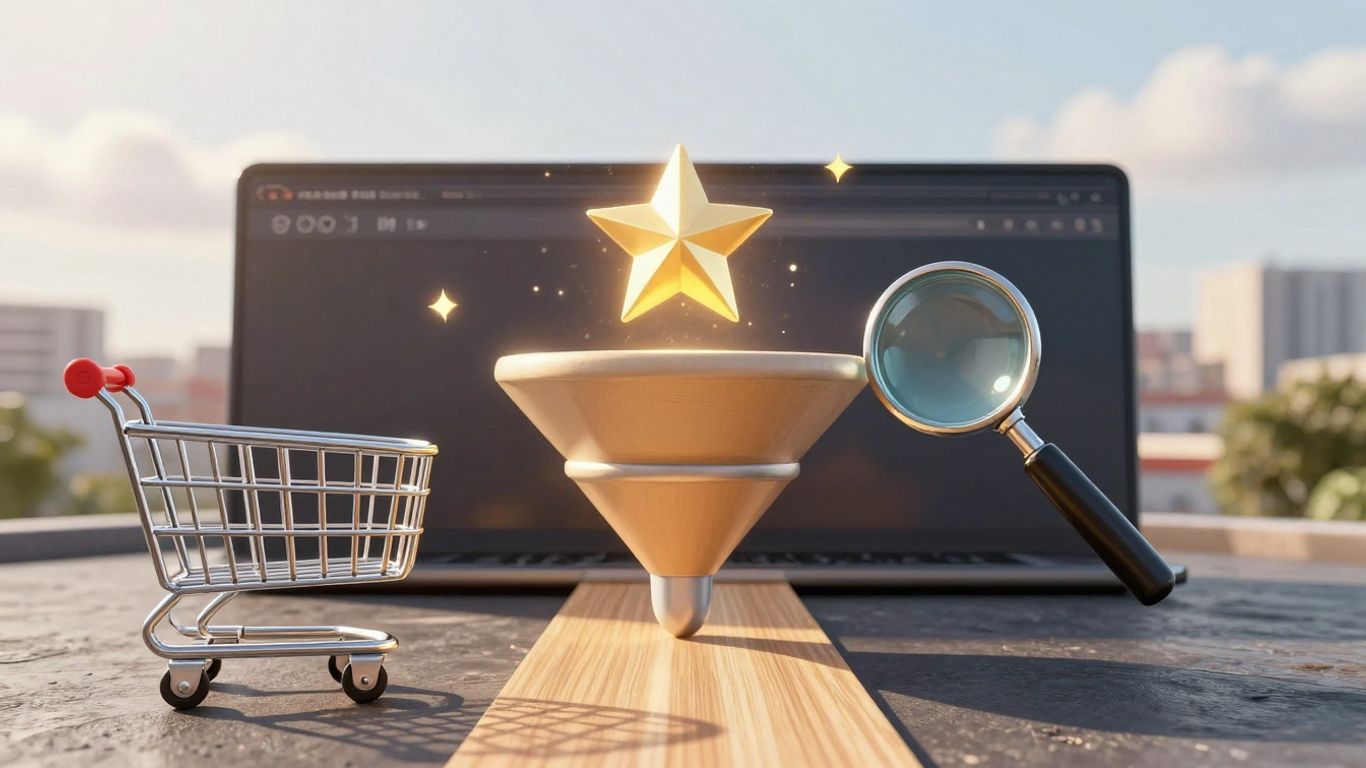
Think of your website funnel not just as a path to a sale, but as a series of opportunities to show potential customers why you're the best choice. Each stage, from the very first click to the final purchase and beyond, is a chance to build trust and demonstrate your worth. It’s about giving people what they need, when they need it, so they feel good about moving forward with you.
When someone first lands on your site, they might not even know they have a problem you can solve, or they might be just starting to look around. Your job here is to grab their attention and show them you have something interesting or useful. This isn't the time for hard sells. Instead, focus on educating and informing.
The goal at this initial stage is to make a good first impression. You want visitors to think, "Wow, this site has some useful stuff," not "Ugh, they're just trying to sell me something."
Once you've captured someone's interest, perhaps through a newsletter signup or a download, you have a direct line to them. Email is your best friend for keeping the conversation going and guiding them further down the funnel. The key is to keep sending them useful information, not just sales pitches.
Don't just blast out generic emails; make them relevant to what each person has shown interest in.
Different people are at different points in their journey. What works for someone just learning about a problem won't work for someone ready to buy. You need to tailor your content to match their mindset.
Here's a quick look at what kind of content works best at each stage:
By consistently providing relevant and helpful content at every step, you build a relationship with your audience. This makes them more likely to choose you when they're ready and to stick with you long after the sale.
So, you've built your website funnel, and people are starting to come through it. That's great! But how do you know if it's actually working? You can't just set it and forget it. You need to look at the numbers and see where things are going well and where they're falling apart. It's like checking the oil in your car – you wouldn't just drive until the engine seizes up, right?
To really get a handle on what's happening, you'll want a few tools in your belt. Think of these as your detective kit for figuring out user behavior. They help you see the invisible paths people take on your site.
This is where you really start to see the story unfold. Watching session recordings can be eye-opening. You might see someone get stuck on a form, or repeatedly click something that isn't clickable. It's these little moments that tell you where the friction is.
User flows, on the other hand, show you the common paths people take. Are they going where you expect them to? Are there unexpected detours that lead them away from conversion? Identifying these patterns helps you understand the journey from the user's perspective.
You're looking for the 'aha!' moments and the 'uh-oh' moments. The 'aha!' moments are where users are engaged and moving forward. The 'uh-oh' moments are where they get confused, frustrated, or simply leave.
Not everyone who visits your site is the same, and they're not all at the same stage of their journey. Segmenting your audience based on where they are in the funnel is super important. You can group people who added items to their cart but didn't buy, or those who just signed up for your newsletter.
By looking at these different groups, you can see what's working for one segment and what's not. Maybe your abandoned cart emails are great for one group, but your initial awareness content isn't hitting the mark for another. Comparing these segments helps you tailor your approach and make improvements that actually matter to specific user types.
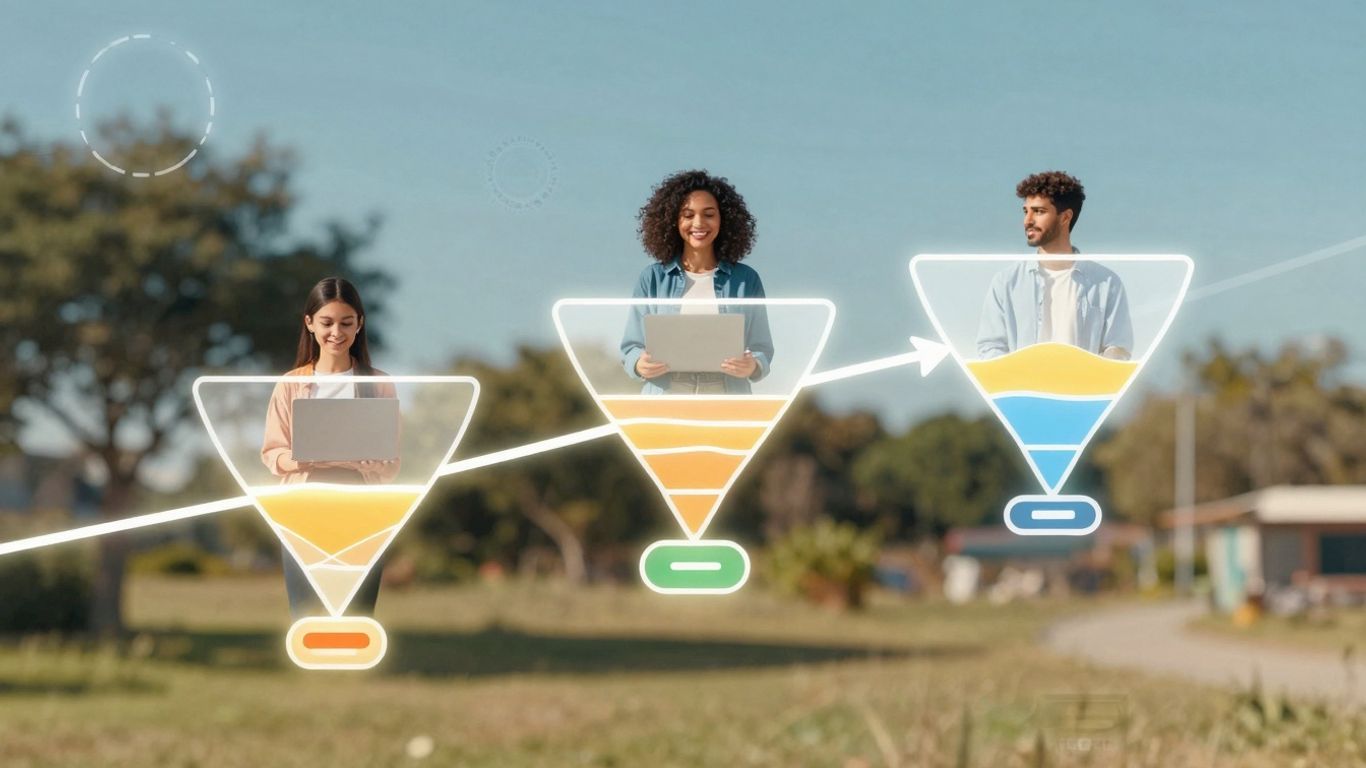
Making your website easy and pleasant to use is a big deal. Think about it: if you land on a site and it's confusing or slow, you're probably not sticking around, right? That's where focusing on the user experience, or UX, comes in. It's all about smoothing out the path for visitors so they can find what they need and do what they came to do without any fuss.
First off, how people get around your site matters a lot. If your menus are a mess or it's hard to find the search bar, people get frustrated fast. Good design isn't just about looking pretty; it's about being clear and logical. This means:
This is where a lot of potential sales go to die. If buying something from you feels like a chore, people will just leave. We need to make this part as simple as possible.
Making the checkout process as frictionless as possible is key. If it's easy to buy, people are more likely to complete their purchase. Think about it from your own shopping experiences – the quicker and simpler, the better.
So, you've made some changes to your site's design or checkout. Great! But how do you know if they're actually helping? You test them. This is where A/B testing comes in. You show one version of a page (Version A) to some visitors and another version (Version B) to others. Then, you see which one performs better.
For example, you might test:
By looking at the data from these tests, you can make informed decisions about what changes to keep and what to ditch. It’s all about making small, smart improvements that add up to a much better experience for your visitors.
So, you've built your website funnel, and you're sending people through it. That's great! But how do you know if it's actually working? This is where data comes in. Without looking at the numbers, you're basically flying blind. The goal is to use what you learn from data to make your funnel work better. It’s not just about seeing how many people buy something; it’s about understanding why they do or don't.
First things first, you need to know what you're measuring. Just tracking everything can be overwhelming. Instead, pick a few key numbers that really tell you if your funnel is doing its job. These are your Key Performance Indicators, or KPIs.
Here are some common ones to think about:
These numbers give you a starting point. You can't really improve your conversion funnel optimization if you don't know where you stand.
Google Analytics 4 (GA4) is a powerful tool for seeing how people move through your site. It's way better than the old versions for understanding these journeys. You can set up "Funnel exploration" reports to visually see each step people take and where they drop off.
Here’s a quick look at how you might set it up for an online store:
view_item (someone looks at a product) -> add_to_cart -> begin_checkout -> purchase.Analytics tells you what is happening on your website, but sometimes you need more. If you sell higher-priced items or have a longer sales process, your Customer Relationship Management (CRM) system holds a lot of important information. Think about systems like HubSpot or Salesforce.
By connecting your CRM with your website data, you get a full picture. You can see how a lead from a website form eventually becomes a paying customer, tracking every email and call in between. This gives you an end-to-end view of your entire funnel, not just the website part. It helps you understand what's happening in the middle and bottom of the funnel, which analytics alone might miss.
Data helps you act like a detective. You're looking for clues about why people leave your funnel. Are they confused by the checkout? Is a button not working? The numbers point you in the right direction, and then you can use other tools or common sense to figure out the exact problem and fix it.
Looking at data isn't just a one-time thing. It's an ongoing process. Regularly checking your KPIs and funnel reports will show you what's working and what needs more attention. This continuous review is how you keep making your website funnel better over time.
So, we've walked through how to really get a handle on your website's sales funnel. It’s not just about getting people to click around; it’s about making sure they actually do what you want them to do, whether that’s buying something or signing up. Remember, this isn't a one-and-done thing. Keep an eye on your numbers, see where people are dropping off, and don't be afraid to tweak things. By paying attention to each step, from the first time someone hears about you to them becoming a regular customer, you'll build a much stronger business. It takes work, sure, but seeing those conversion rates go up makes it all worth it.
Think of a website funnel like a path. It shows the steps someone takes from first hearing about your website to actually buying something or doing what you want them to do. It helps you see where people might get stuck or leave the path.
Each part of the funnel is like a different room in a house. You need to make each room welcoming and helpful. Knowing what people need in each room helps you guide them smoothly to the next, and eventually to the final goal, like making a purchase.
It's like knowing who you're baking a cake for. You need to think about who would really love your product or service. What are they like? What problems do they have that you can solve? Knowing this helps you talk directly to them.
You need to go where your ideal customers hang out! This could be on social media, through search engines, or by sharing helpful articles. It's about making sure the right people see your stuff.
You need to watch the numbers! Tools like Google Analytics can show you how many people are moving through each step. You can see where they drop off, which tells you what needs fixing. It's like checking your grades to see where you need to study more.
It means making the path as easy and pleasant as possible for your visitors. This could involve making your website easier to use, simplifying the buying process, or making sure the information you offer is super helpful at every step. It's all about making it easier for people to become customers.