


The Modern Marketing Leader’s Toolkit: AI Fluency, Data Literacy, and Business Acumen

Nitin Mahajan
—
October 4, 2026



So, you've got a website, and you want more people to actually, you know, *do* something on it. Buy stuff, sign up, whatever. That's where the online funnel comes in. Think of it like a path you want people to follow. It starts broad, with lots of folks just looking around, and then it gets narrower as they get more interested and eventually decide to take action. Mastering this online funnel thing is all about making that path as smooth and clear as possible so more people make it to the end. We're going to break down how to do just that.
Alright, let's get down to business. Before we start tweaking buttons and rewriting copy, we need to get a handle on what an online funnel actually is and why it matters. Think of it like a roadmap for your potential customers. It's the path they take from first hearing about you to actually becoming a paying customer. Without a clear understanding of this journey, any changes you make are just shots in the dark.
So, what are we trying to achieve here? Is it getting more people to sign up for a free trial? Selling more widgets? Getting folks to download a guide? Your funnel's purpose needs to be crystal clear. It's not just about 'making sales'; it's about defining that specific action you want someone to take. This purpose guides everything else. If you want more sign-ups, your funnel is designed to get people to that sign-up form. If you want more purchases, it's built to get them through checkout.
This is where we put ourselves in the customer's shoes. What's the very first interaction someone might have with your brand? Maybe it's an ad they saw, a blog post they read, or a social media mention. From there, where do they go? What do they see? What questions do they have? We need to map out these steps, from that initial spark of interest all the way to the final click. It's about understanding their mindset at each stage.
Here's a simplified look at how that might play out:
These three stages are the big milestones in most online funnels.
Understanding these core components isn't just an academic exercise. It's the bedrock upon which all your conversion optimization efforts will stand. Without this foundation, you're building on sand, and your efforts are likely to wash away with the next tide.
Getting people to your website is just the first step, right? You want them to stick around and actually look at what you've got. This part of the funnel, the very beginning, is all about making a good first impression and drawing folks in. If it's clunky or boring, they'll just bounce. We need to make sure they're not just visiting, but actually interested in what's next.
Think about what makes you stop and look at something online. Usually, it's something that catches your eye or speaks directly to a problem you have. For your website, this means having content that's not just there, but that actively pulls people in. This could be blog posts that answer common questions, helpful guides, or even just interesting tidbits related to your industry. The goal is to make visitors think, "Hey, this place knows what it's talking about," and want to see more.
Nobody likes waiting for a page to load. Seriously, if it takes more than a few seconds, most people are gone. This is super important. You also need to make sure your site looks and works great on phones and tablets. A lot of people browse on their phones these days, and if your site is a pain to use on a small screen, they'll leave. It's like trying to read a book with tiny, smudged print – frustrating.
Once people are on your site, they need to be able to find what they're looking for without a headache. Imagine walking into a store where everything is randomly placed and there are no signs. You'd probably leave pretty quickly. Your website needs clear menus and logical pathways. People should be able to click around and discover different parts of your site without getting lost or confused. If they can easily find what they need, they're more likely to stick around and explore further.
So, you've got people interested. They've moved past just knowing your brand exists and are now exploring what you have to offer. This middle part of the funnel, often called the 'consideration' stage, is where you really need to shine. It's not about making a hard sell yet; it's about building trust and showing them why you're the best choice.
People in this stage are looking for answers and solutions. They've likely identified a problem and are now researching how to fix it. Your job is to provide that information in a way that's helpful and positions you as a go-to resource. Think about creating detailed guides, case studies, or comparison articles that address their specific needs. This kind of content helps them move forward without feeling pressured.
At this point, potential customers are looking for validation. What are others saying about you? Showing off positive customer reviews, testimonials, or even user-generated content can make a big difference. It’s like a friend recommending a product – it carries a lot of weight. Alongside this, make sure your unique selling points are crystal clear. Why should they pick you over anyone else? A strong value proposition cuts through the noise and speaks directly to their needs.
Not everyone is the same, and treating them that way won't get you far. If you've gathered information about your audience, use it! Segmenting your audience allows you to send more targeted messages. For example, if you know someone is interested in a specific product feature, send them content that highlights that feature. This level of personalization shows you understand their individual needs and makes them feel more connected to your brand. It’s about making them feel seen and heard, which is a big step towards conversion. You can explore 11 effective middle funnel marketing strategies to help guide potential buyers through this phase.
The middle of the funnel is where you build relationships. It's about providing answers, building confidence, and showing genuine value. Get this right, and the decision stage becomes much easier for everyone involved.

This is where all your hard work pays off, or unfortunately, where people might just walk away. The bottom of the funnel is all about making that final step – the conversion – as easy and trustworthy as possible. Think of it as the final hurdle. If it's too high or too tricky, people will stop before they even get a chance to jump.
People are ready to buy, sign up, or commit. Don't make them regret it by throwing up roadblocks. This means getting rid of anything that slows them down or makes them second-guess their choice. It's about making the path to 'yes' incredibly clear and simple.
The goal here is to remove any lingering doubts or hesitations. If someone has made it this far, they're interested. Your job is to confirm their decision was a good one and make the final action feel like a natural, positive conclusion.
This is a big one, especially for e-commerce. A clunky checkout process is a conversion killer. People have limited patience when they're about to spend money.
Here’s a quick look at common form issues:
Even when everything is simple, people need to feel secure. They're giving you their information, often their payment details. You need to show them they can trust you.
Look, nobody gets it perfect the first time, right? Your online funnel is no different. It’s not a set-it-and-forget-it kind of thing. To really make it work, you’ve got to pay attention to what the numbers are telling you. It’s like checking the oil in your car; you don’t wait for the engine to seize up. You look at the data, see where things are getting sticky, and then you fix it.
This is where you figure out where people are actually leaving your funnel. You set up tracking, right? So, you can see how many people land on your page, how many click the button, how many start filling out the form, and then, bam, how many just disappear. Those disappearing acts? That’s your drop-off point. You need to know why they’re leaving. Is the form too long? Is the next step confusing? Is there a technical glitch? You can’t guess; you have to look at the data.
Here’s a quick look at what you might see:
See that 40% drop-off at the form submit? That’s a big red flag. You need to dig into that specific step.
Once you know where the problems are, you can start fixing them. But how do you know if your fix actually works? You test it. A/B testing is basically showing two different versions of something to two different groups of people and seeing which one does better. Maybe you change the button color on a page, or reword a headline, or simplify a form field. You split your traffic, half sees the old version (A), half sees the new one (B), and you see which one gets more people to move to the next step.
It’s a way to make small, smart changes that add up. You don’t have to overhaul everything at once. Just tweak, test, and see what sticks. It’s a slow and steady process, but it’s how you build a really solid funnel over time.
Sometimes, the data tells you what is happening, but not why. That’s where talking to your customers comes in. You can send out surveys after someone completes a purchase, or even if they abandon their cart. Ask them what was difficult, what they liked, or what could be better. You can also use tools that let you watch recordings of people using your site. It’s like watching someone try to assemble furniture – you see exactly where they get stuck and frustrated.
You need to see the journey from the customer's perspective. What looks obvious to you might be a total roadblock for someone else. Pay attention to their struggles and their successes. This human element is just as important as the raw numbers.
By combining what the data shows with what your customers tell you, you get a much clearer picture. It’s this combination that helps you make real improvements, not just random guesses. Keep looking, keep testing, and keep asking. That’s how you get better conversions.
So, you've put in the work, tweaked your funnel, and seen some good results. That's awesome! But here's the thing: the online world doesn't stand still. What works today might be old news tomorrow. Keeping your funnel performing well means you've got to stay on your toes.
Email is still a powerhouse for bringing people back. Think of it as a friendly nudge. You can offer something cool, like a discount or a helpful guide, in exchange for an email address. Once you have that connection, send emails that are actually useful and timed right. Maybe someone left items in their cart – a gentle reminder can do wonders. Or perhaps you have new products or personalized suggestions. Email helps keep your brand in their mind without being annoying.
User behavior and what people expect online change all the time. What was cutting-edge last year might feel clunky now. You need to keep an eye on what's new and how people are interacting with websites and online stores. Are there new ways people prefer to pay? Are social media platforms changing how they work? Staying aware helps you adjust your approach before you fall behind. It's about making sure your online presence feels current and easy to use for everyone.
This is the big one: optimization is never really finished. It's a cycle. You analyze what's happening, make changes, and then check again. It's like tending a garden; you have to keep watering and weeding.
Here are a few things to keep in mind:
The goal is to make the journey as smooth as possible for your potential customers. Every step should feel logical and easy, leading them naturally towards the next action without any confusion or frustration. This constant attention to detail is what separates a good funnel from a great one.
Remember, a well-oiled funnel isn't just about getting sales; it's about building relationships and providing a good experience. By consistently working on these areas, you can keep your online funnel effective and successful over the long haul. For more on how to improve your conversion rates, check out this guide on conversion funnels.
So, we've gone over a bunch of ways to make your online funnel work better. It's not just about getting people to your site; it's about making their whole trip smooth, from seeing your ad to clicking 'buy'. Remember, things change fast online, so what works today might need a tweak tomorrow. Keep an eye on your numbers, listen to what your customers are telling you (even if it's just through their clicks and where they leave), and don't be afraid to try new things. Making these small, smart changes over time really adds up, helping more people find what they need and turning more visitors into happy customers. It’s a continuous process, but totally worth the effort.
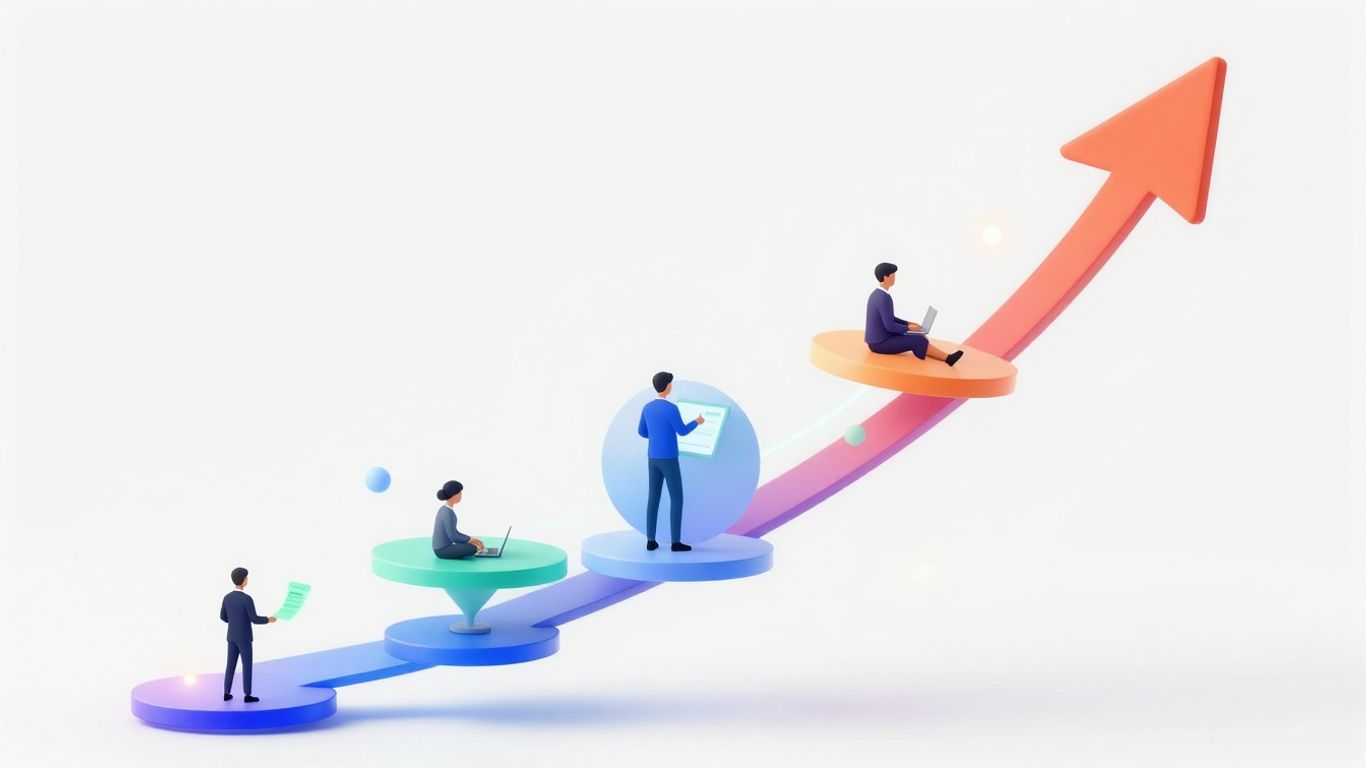
Think of an online funnel like a path. Lots of people might start at the wide top, maybe by seeing an ad or visiting your website. As they move through, some people leave, and fewer end up at the narrow bottom, which is where they do what you want them to do, like buying something or signing up. It's all about guiding people smoothly from just knowing about you to becoming a customer.
Making your funnel better means more people will actually finish the path and do what you want them to. It's like fixing leaks in a pipe so more water gets to the end. This means you get more customers without having to find a whole lot of new people, which saves you time and money.
There are usually three main parts. First is the 'Awareness' stage, where people first learn about you. Then comes the 'Consideration' stage, where they check you out more and compare you to others. Finally, there's the 'Decision' stage, where they decide to buy or take action.
To get more people interested at the start, you need to grab their attention with cool stuff like interesting articles, helpful videos, or eye-catching ads. Make sure your website loads super fast and looks good on phones, and that it's easy for people to find their way around.
If people are leaving, it means something is making it hard for them. Maybe the forms are too long, the checkout process is confusing, or they don't trust you enough. Try to make things simpler, ask only for what you really need, and show them that other people trust you too. Sending helpful emails can also bring them back.
You need to watch the numbers! See where people are stopping or leaving your funnel. Tools like Google Analytics can help. You can also try making small changes to see if they make a difference, like changing a button color or a website headline. Asking customers what they think is also a great way to find out what needs fixing.