


The Modern Marketing Leader’s Toolkit: AI Fluency, Data Literacy, and Business Acumen

Nitin Mahajan
—
October 4, 2026



Thinking about how to get more people interested in what you offer and then actually buy it? It's a common question, and luckily, there's a system for it. We're talking about the marketing funnel system. It's basically a roadmap that guides potential customers from just hearing about you to becoming loyal buyers. In 2026, understanding this system isn't just helpful, it's pretty much a must-have for any business that wants to grow. Let's break down how this marketing funnel system works and how you can make it work for you.
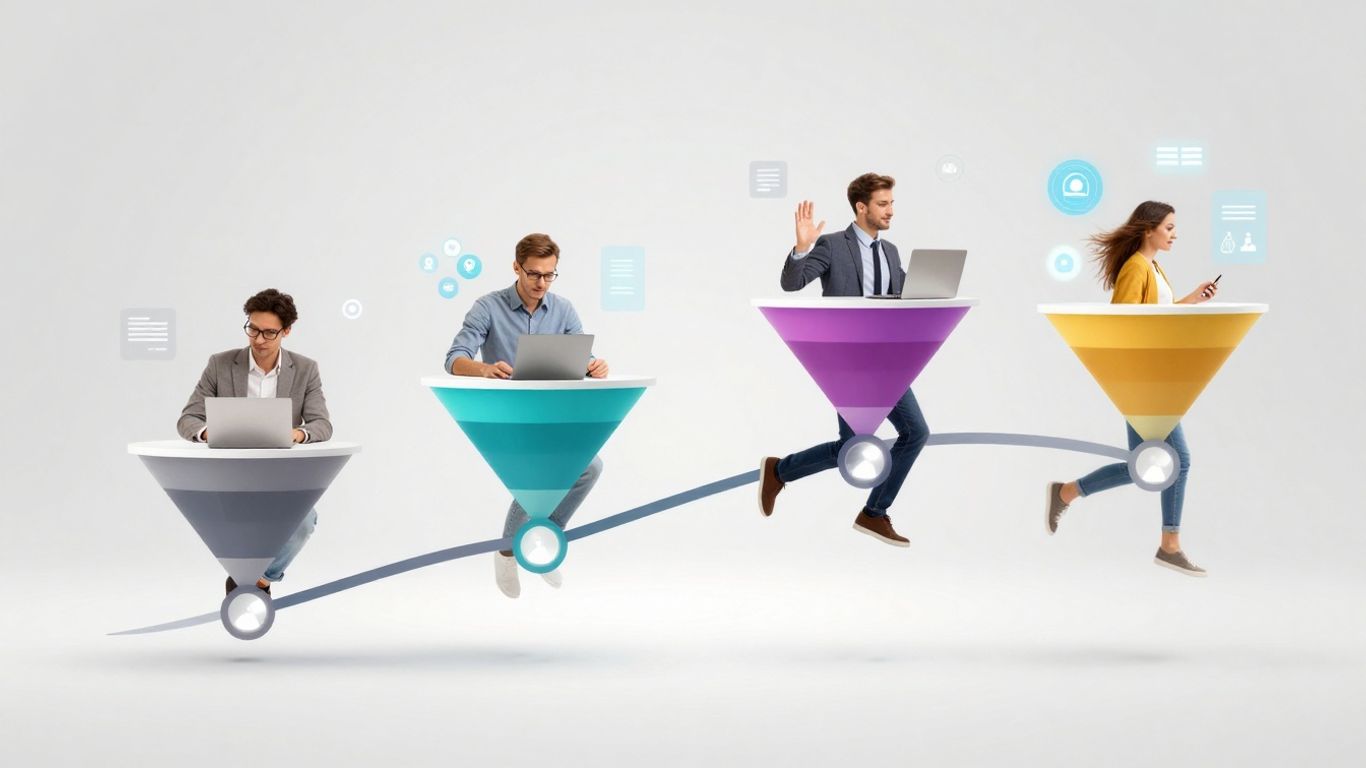
Think of a marketing funnel like a guided tour for potential customers. It maps out the journey someone takes from first hearing about your business to actually buying something. It's called a funnel because, naturally, not everyone who starts the tour finishes it. Some people drop off at different points, which is totally normal. The idea is to guide as many interested folks as possible through each step.
Here are the typical stages:
The marketing funnel isn't just a theoretical model; it's a practical tool that helps businesses understand customer behavior and tailor their approach at every interaction point. It provides a framework for thinking about how to attract, engage, and convert prospects effectively.
Customer journeys used to be pretty straightforward. You'd see an ad, go to the store, and buy. Simple. But today? It's way more complex. People are online all the time, jumping between devices, social media platforms, and review sites. They might see your product on Instagram, then research it on Google, read reviews on a forum, and maybe even get a recommendation from a friend via text before they even think about buying.
This means the old, rigid funnel doesn't always fit perfectly anymore. Customer paths can be messy, looping back and forth. They might discover you through a podcast, then get interested via an email newsletter, consider your product after watching a YouTube review, and then purchase through your app. It's less of a straight line and more of a winding road, sometimes with detours.
Focusing only on getting people to buy (the bottom of the funnel) is a mistake. You miss out on a huge opportunity to build relationships and create loyal customers. A full funnel approach means you're paying attention to every stage, from that very first moment someone hears your name to long after they've made a purchase.
Why bother with the whole thing? Well, it helps you:
Ignoring any part of the funnel means you're leaving potential customers behind and missing chances to turn one-time buyers into lifelong fans. It's about building a relationship, not just making a quick sale.
So, you've got the basics of the marketing funnel down. Now comes the part where we actually build one that works. It might seem like a lot, but breaking it down makes it manageable. The goal here is to create a clear path for potential customers, from the moment they first hear about you to when they actually buy something.
Before you can attract anyone, you need to know who you're talking to and what's on their mind. What problems are they trying to solve? What are their daily struggles? This isn't just about demographics; it's about understanding their motivations and pain points. Think about it like this: if you're selling raincoats, you need to know if your audience lives in a place that rains a lot, or if they're planning a trip to a wet climate. You wouldn't try to sell them to someone in a desert, right?
Understanding your audience's needs is the bedrock of any successful marketing effort. Without this insight, your messages will likely miss the mark, leading to wasted time and resources.
Once you know who you're talking to, you need to grab their attention. This is the top of the funnel, where people might not even know you exist yet. Your offer needs to be something that makes them stop scrolling or click that ad. It's not about selling them your main product right away; it's about offering something of value in exchange for their attention. Think free guides, checklists, webinars, or even a small discount on their first purchase.
Here's a quick look at what makes a good awareness offer:
So, someone showed interest and gave you their contact info. Great! But don't stop there. This is where lead nurturing comes in. You need to keep the conversation going and build trust. This means sending them more helpful content, not just sales pitches. It’s about showing them you understand their problems and have solutions. Automated email sequences are super useful here, sending out a series of messages over time that gradually introduce them to what you offer and why it's a good fit for them. The key is to provide consistent value without being pushy. You want them to feel like they're getting to know you and your brand, not just being sold to.
Alright, so you've got your marketing funnel set up, but is it actually doing its job? Just having a funnel isn't enough; you need to make sure each part is working as well as it can. Think of it like a car – you need the engine, the wheels, and the steering all in good shape for it to run right. We're going to break down how to make each section of your funnel better.
Getting people to notice you is the first hurdle. For the awareness stage, you want content that grabs attention and introduces your brand without being too pushy. Think interesting blog posts that answer common questions your potential customers have, or short, shareable videos that tell a story about your brand's mission. Social media is great here too, with posts that spark conversation or share useful tips.
Once people know who you are, they move into the consideration phase. This is where they're looking at their options, and you need to show them why you're the best choice. Case studies are gold here – they show real results. Comparison guides can help too, highlighting your strengths against competitors. Email newsletters can keep you top-of-mind, offering more in-depth information or exclusive content that builds trust. The key is providing information that helps them make a decision, not just selling to them.
Now for the part where people actually buy. This is the bottom of the funnel, and it's all about making that final step as easy and appealing as possible. Generic offers just don't cut it anymore. You need to get specific. If you've been collecting data on what people are interested in, use that! A personalized discount code for a product they've looked at multiple times can be very effective. Free trials or demos are also great for letting people experience your product or service firsthand before committing.
It’s also about removing any friction. Is your checkout process smooth? Is it easy to find the 'buy' button? Any confusion or extra steps here can make people back out. Think about limited-time offers or bundles that create a sense of urgency and added value. The goal is to make the decision to buy feel like a no-brainer.
So, someone bought something. Great! But that's not the end of the funnel, not really. The real win is turning that one-time buyer into a repeat customer and even an advocate for your brand. After the sale, follow up. A simple thank-you email, a request for feedback, or even a small discount on their next purchase can go a long way.
Loyalty programs are a classic for a reason. They reward repeat business and make customers feel appreciated. Think about exclusive content or early access to new products for your loyal customers. And don't underestimate the power of great customer service. If people have a good experience even when something goes wrong, they're more likely to stick around and tell others. Building that long-term relationship is where the real value is.
Making each stage of your funnel work better doesn't just mean more sales today. It means building stronger relationships with customers, which leads to more sales tomorrow and the day after that. It’s about being helpful and relevant at every single point.
Here’s a quick look at what you might focus on:
Okay, so we've talked about building and optimizing your marketing funnel, but let's be real, doing all that manually in 2026? That's a recipe for burnout. Technology is your best friend here, making things way more efficient and, honestly, a lot smarter. It’s not just about having fancy tools; it’s about using them to connect with people better and understand what’s actually working.
Think of marketing automation as your tireless assistant. It handles the repetitive stuff so you can focus on the bigger picture. We're talking about sending out welcome emails when someone signs up, following up with leads who downloaded an ebook, or even sending birthday discounts. These tools can be set up to trigger based on specific actions a person takes on your website or in your emails. This means you're not just blasting messages out; you're sending the right message to the right person at the right time, which feels way more personal to them.
This is where things get really interesting. Instead of treating everyone the same, technology lets us slice and dice our audience into smaller, more specific groups. This is called segmentation. Why bother? Because people are different, and they respond to different things. If you know someone is interested in, say, hiking gear, you don't want to show them ads for city running shoes, right? Data helps us figure this out.
We can look at things like:
By segmenting, you can create super-targeted campaigns that actually speak to what each group cares about. It’s like having a one-on-one conversation with thousands of people at once.
The real power comes when you combine automation with smart segmentation. Imagine a system that automatically sends a follow-up email to someone who visited your product page twice this week, but only if they haven't made a purchase yet, and the email is specifically about that product. That's the kind of precision technology brings to the table.
Static funnels are so last decade. Today, we're talking about dynamic funnels – ones that change and adapt based on how someone interacts with them. Think quizzes, calculators, or personalized surveys. These tools don't just collect information; they actively guide the user. For example, a quiz about "What's Your Marketing Style?" can lead to different content recommendations or product suggestions based on the answers given. This makes the experience more engaging for the user and gives you much richer data about their preferences. It’s a win-win, really. Plus, these interactive elements can really boost conversion rates because they feel less like a sales pitch and more like a helpful tool.
So, you've built out your marketing funnel, right? That's awesome. But here's the thing: it's not a 'set it and forget it' kind of deal. Think of it more like tending a garden. You plant the seeds, water them, and then you've got to keep an eye on things, pull out the weeds, and make sure everything's getting enough sun. That's pretty much what measuring and refining your funnel is all about.
First off, you need to know what's actually working and what's not. This means keeping a close watch on your Key Performance Indicators, or KPIs. These are the numbers that tell you if your funnel is doing its job. You can't just guess; you need data. Without tracking the right metrics, you're essentially flying blind.
Here are some of the big ones to pay attention to:
Once you know your numbers, it's time to start tweaking. This is where the real magic happens. You're not just accepting the status quo; you're actively trying to make things better. A/B testing is your best friend here. Try different headlines, different calls to action, different images, or even different landing page layouts. See what gets a better response.
Small changes can have a big impact. Sometimes, just rephrasing a button or changing the color of a link can lead to a noticeable bump in conversions. It's all about small, iterative improvements that add up over time.
This is a big one, and honestly, it's where a lot of companies stumble. Marketing might be doing a bang-up job of generating leads, but if the sales team isn't on the same page, those leads can just fizzle out. You need a smooth handoff. Marketing needs to provide sales with good quality leads, and sales needs to give feedback on what's working and what's not.
Think about it: if marketing is sending leads who aren't a good fit, sales is wasting time. And if sales isn't following up properly, marketing's hard work goes to waste. Regular meetings between the two teams are a must. Sharing data and insights helps everyone understand the full picture and work towards the same goals. This collaboration is key to making sure your marketing funnel actually drives revenue, not just activity.
Building a marketing funnel can feel like a complex puzzle, and it's easy to stumble into common traps that can derail your efforts. Thinking you've got it all figured out from the start is a big mistake. Many businesses get so focused on getting people into the funnel that they forget about the journey through it and what happens after.
This is a big one. You spend time and money getting someone's attention, maybe they download a guide or sign up for a newsletter. Then what? If you just leave them hanging, expecting them to magically buy something later, you're probably going to be disappointed. Leads are like plants; they need consistent watering and care to grow. Without regular, helpful communication, they'll just wither away. Think about sending out a weekly email with tips related to your industry, or a short video explaining a common problem your product solves. It’s the consistent, thoughtful follow-up that builds trust and keeps you top-of-mind.
It's tempting to chase those immediate sales, right? You see a chance for a quick conversion and go for it. But this can mean you're missing out on building long-term customer relationships. Focusing only on the bottom of the funnel might bring in some cash now, but it doesn't build a loyal customer base for the future. You need to balance attracting new people with keeping existing customers happy and engaged.
Your marketing funnel shouldn't be a rigid, one-size-fits-all thing. People don't always follow a straight line from 'aware' to 'buyer'. They might jump around, do their own research, or need information in a different order than you expect. If your funnel doesn't account for these variations, it won't work as well. It's like trying to give directions to someone who's already halfway to their destination – the advice is out of sync.
Here are some common mistakes that lead to misalignment:
The biggest mistake is often assuming your funnel is perfect after the first setup. Markets change, customer behavior shifts, and your funnel needs to be flexible enough to adapt. Regularly checking in on how people are actually moving through your funnel, not just how you want them to move, is key to spotting these misalignments before they cause major problems.
So, building a marketing funnel might seem like a lot at first, with all the different parts to think about. But really, it's just about guiding people who might be interested in what you do from the moment they first hear about you all the way to becoming a customer. It’s not some magic trick; it’s just a smart way to organize how you talk to potential buyers. By figuring out what problems they have and offering solutions, then keeping them interested with good information, you can help them make a decision. Remember to keep an eye on what’s working and what’s not, and don’t be afraid to tweak things. Doing this consistently will help you connect with more people and hopefully, make more sales over time. It’s a process, for sure, but a worthwhile one.
Think of a marketing funnel like a path that guides people from just hearing about something new to actually buying it. It's called a funnel because many people might start at the top, but only some will make it all the way to the bottom to become customers. It helps businesses understand how to talk to people at different stages of their buying journey.
It's super important because people don't always buy right away. If you only focus on getting the sale, you might miss chances to build trust and relationships. By caring for people all the way through, from when they first learn about you to after they buy, you build stronger connections and make them more likely to stick around and buy again.
You figure this out by really getting to know who you're trying to reach! Think about what problems they have and what they're looking for. You can learn this by looking at what they search for online, what they say on social media, or even by asking them directly. This helps you create messages and offers that really speak to them.
A marketing funnel is mostly about getting people interested and aware of your brand, even if they've never heard of you before. A sales funnel is more about taking those interested people and helping them decide to buy. Sometimes, they work together, like puzzle pieces!
Absolutely! There are tons of cool tools that can help. You can use programs to send emails automatically, sort people into groups based on what they like, and even create interactive things like quizzes to keep people engaged. These tools make managing your funnel much easier and more effective.
A big mistake is forgetting about the people who aren't ready to buy yet – you need to keep talking to them! Another is only looking for quick sales and not building lasting relationships. Also, it's easy to mess up if your funnel doesn't match how real customers actually shop and make decisions.