

The Modern Marketing Leader’s Toolkit: AI Fluency, Data Literacy, and Business Acumen

Nitin Mahajan
—
October 4, 2026



So, you want to get better at selling stuff, right? It all comes down to understanding how people find you and then decide to buy. That's where the information funnel comes in. Think of it like a sieve; you want to catch as many good leads as possible while letting the not-so-good ones slip through. We'll break down how to actually collect the right info and then make sense of it all. It's not rocket science, but it does take some attention to detail. Let's figure out how to make your information funnel work for you.
Think of an information funnel like a journey your potential customers take. It’s not just a random path; it’s a structured process that guides people from first hearing about you to actually becoming a customer. Getting this right means you’re not just throwing marketing spaghetti at the wall; you’re strategically leading folks toward a solution they need.
At its core, the customer journey is broken down into distinct phases. You’ve got the initial spark where someone becomes aware of a problem or a potential solution. Then, they start getting interested, looking for more details. After that comes the decision phase, where they weigh their options, and finally, the action phase, which is where they make a purchase or take the desired step. Each stage requires a different approach to communication and content. It’s about meeting people where they are and giving them what they need at that specific moment.
This is where it all begins. Awareness is about making sure people know you exist and that you can solve a problem they might have. Think of catchy ads, helpful blog posts, or even just a good social media presence. Once they’re aware, you need to build interest. This means giving them more information, showing them how you’re different, and providing value. This could be through webinars, detailed product pages, or case studies. It’s about nurturing that initial curiosity.
When people reach the decision stage, they’re usually comparing you to others. They’re looking at reviews, pricing, and features. Your job here is to make it clear why you’re the best choice. This might involve offering demos, testimonials, or special offers. The action stage is the payoff – the conversion. This could be a sale, a sign-up, or a download. Making this final step as smooth as possible is key. A clunky checkout process or a confusing sign-up form can lose you a customer right at the finish line. We can look at how to gain insights into customer behavior to smooth out these final steps.
So, you've got a general idea of what an information funnel is and why it matters. Now, let's get down to the nitty-gritty of actually drawing it out. Think of this as creating a blueprint for how people move from just hearing about you to actually becoming a customer. It’s not just about having stages; it’s about understanding what happens at each step.
First things first, you need to see the whole picture. This means sketching out every single step a potential customer takes. It starts way back when they might not even know you exist and goes all the way to them making a purchase, and hopefully, sticking around. You can use simple flowcharts, or if you're feeling fancy, dedicated software. The main goal here is to get a clear visual of the journey. This visual map is your guide to understanding prospect behavior. It helps you spot where things are going smoothly and, more importantly, where they're not.
Once you have your stages laid out, you need to figure out what people are actually doing at each point and what you're giving them. Are they reading a blog post? Clicking an ad? Watching a video? Filling out a form? For each action, what piece of content or interaction is prompting it? This is where you start connecting the dots between what your prospect needs and what you offer. For example, at the 'Awareness' stage, they might be searching for a solution to a problem, and your content could be a helpful article or an infographic. Later, at the 'Consideration' stage, they might be comparing options, and your content could be a case study or a demo.
Here’s a quick look at what this might involve:
As you map out these actions and content, you'll inevitably start seeing places where people might just… leave. These are your drop-off points. Maybe your website is too slow, or the form is too long, or the next step isn't clear. Identifying these weak spots early on is super important. It's like finding cracks in a foundation before the whole building crumbles. You want to make it as easy as possible for people to move from one stage to the next. A funnel analysis tool can really help here by showing you where the numbers dip.
You're not just building a path; you're building a smooth path. Every step should feel natural and lead logically to the next. If there's friction, people will find another way around, or just stop altogether. Think about your own online experiences – what makes you click away? Apply that same critical eye to your own funnel.
By visualizing your funnel and understanding the prospect's journey, you're setting yourself up for much smarter data collection and analysis down the road. It gives context to the numbers and helps you ask the right questions. This is the foundation for making your information funnel actually work for your business, turning those initial sparks of interest into solid customer relationships. It’s a key part of understanding user behavior and improving your processes.
So, you've mapped out your information funnel, which is great. But what good is a map if you don't have any landmarks or measurements? That's where gathering data comes in. You need solid information to actually see what's happening at each stage. Without it, you're just guessing, and guessing rarely leads to good business decisions.
Your Customer Relationship Management (CRM) system is probably your best friend here. It's where you keep track of leads, interactions, and deals. Think of it as your central hub for all prospect-related info. Then you've got analytics tools, like Google Analytics, which tell you how people are finding you and interacting with your website. These tools work together. Your CRM tells you who is interested and what they've done, while analytics tells you how they got there and what they did on your site before they became a lead. Making sure these systems talk to each other is key to getting a clear picture.
Here's a quick look at what these tools help you track:
Once you're collecting data, you need to know what numbers actually matter. Just looking at raw visitor counts isn't going to cut it. You need metrics that show movement and progress through your funnel. These numbers tell you if your efforts are actually working or if you've got a leaky bucket.
Here are some of the most important ones to keep an eye on:
Looking at these metrics helps you spot where things are going well and where they're not. For instance, a low conversion rate between two stages might mean there's a problem with your content or your sales pitch at that specific point. Understanding these numbers is the first step to fixing issues.
Numbers are great, but they don't always tell the whole story. Sometimes, you need to hear directly from people to understand why things are happening. This is where qualitative data comes in. It's the feedback, the comments, the survey responses, and the conversations you have with customers and prospects. It adds context to your quantitative data. For example, your analytics might show a lot of people dropping off at the pricing page, but qualitative feedback might reveal they're confused about your pricing tiers or think it's too high for the value offered.
Gathering feedback through surveys, customer interviews, and support tickets can reveal the 'why' behind the numbers. This human element is often overlooked but is incredibly important for making meaningful improvements to your funnel. It helps you understand the prospect's mindset and their actual experience, not just their clicks.
Combining both types of data – the hard numbers and the personal stories – gives you a much more complete picture of your information funnel. It's like having both a map and a travel guide; one shows you the route, the other tells you about the local attractions and potential hazards.
So, you've mapped out your funnel and gathered all that data. Now what? It's time to actually look at the numbers and figure out what they're telling you. This is where the real work begins, turning raw information into actionable insights. The goal here is to spot where things are slowing down or where people are leaving, and then figure out why.
Think of your funnel like a series of pipes. If one section is narrower than the others, water backs up. In your funnel, this "backup" is where prospects get stuck or drop out. You need to find these narrow spots. Are people not moving from "Awareness" to "Interest"? Are they getting stuck after signing up for a webinar but before booking a demo? Looking at conversion rates between each stage is key here. A big drop between two stages is a clear sign of a bottleneck.
It's not just about how many people move through, but also who is moving through and how fast. Are the leads that make it to the end actually good fits for your product or service? Sometimes, you might have a high conversion rate, but if those converted leads don't turn into paying customers or churn quickly, it's not a win. Also, how long does it take for someone to go from first hearing about you to becoming a customer? A long conversion time can mean your process is too slow or complex.
Here's a quick look at what to track:
Conversion rates show you the percentage of people moving from one stage to the next. Drop-off rates are the flip side – the percentage who don't move forward. You need to look at both. A low conversion rate at a specific stage is a direct indicator of a problem. But don't just look at the numbers in isolation. Try to understand the context. For example, if your "Interest" to "Decision" conversion rate is low, maybe your product information isn't convincing enough, or your competitors are offering something better.
Analyzing your funnel isn't a one-time task. It's an ongoing process. Regularly checking these metrics helps you catch issues early and make small adjustments before they become big problems. Think of it like tending a garden; consistent care yields the best results.
By digging into these numbers, you start to see the story your prospects are telling you. It's about finding those weak spots and figuring out how to make them stronger, so more people can successfully move through your funnel and become happy customers.
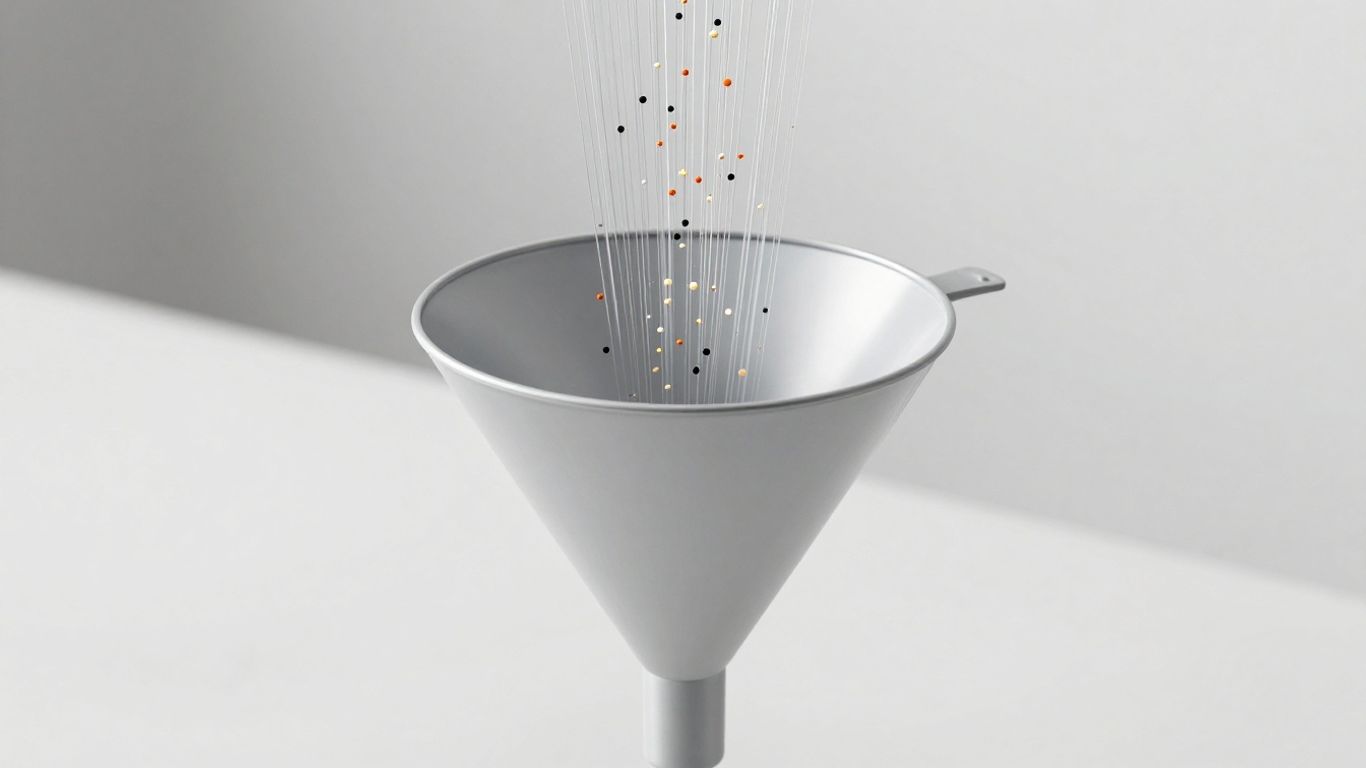
So, you've gathered all this information, and you've figured out where things are getting stuck. Now what? It's time to actually do something with that data. This is where the real magic happens, turning insights into action. The goal here is to make your information funnel work smarter, not just harder.
Think about the words you use and the stuff you put out there. Does it actually connect with people at each stage? Data can tell you if your blog posts are getting read, if your social media updates are getting clicks, or if your email subject lines are making people open them. If a certain message isn't landing, don't be afraid to tweak it. Maybe your awareness campaign sounds too salesy, or your decision-stage content isn't answering the right questions. We can look at what's working and what's not.
For example, let's say you're seeing a big drop-off after someone visits your pricing page. That might mean the pricing isn't clear, or there's a hidden cost, or maybe the value proposition isn't strong enough. You could try A/B testing different ways to present your pricing or add a section that clearly explains what's included. It's all about making small, data-backed changes.
People expect things to be tailored to them these days, right? Your funnel should reflect that. If your data shows that certain types of leads respond better to specific types of communication, then you should be sending them that communication. It's not about being creepy; it's about being relevant. Sending a generic email to everyone is a waste of time for both you and the person receiving it.
Consider segmenting your audience based on their behavior in the funnel. Someone who's just become aware of your brand needs different information than someone who's comparing your product to a competitor's. You can use your CRM to track these interactions and then automate personalized follow-ups. This makes your outreach feel more like a helpful conversation and less like a broadcast. For more on how data can shape your marketing, you might find information on optimizing data spending useful.
This is where you get to play scientist with your funnel. A/B testing, or split testing, is simply showing two different versions of something to two different groups of people to see which one performs better. It could be as simple as testing two different headlines on a landing page, two different button colors, or two different email calls to action. The key is to change only one thing at a time so you know exactly what caused the difference in results.
Here’s a quick look at what you might test:
Making small, iterative changes based on A/B test results can lead to significant improvements over time. It's a continuous process of learning and refining what works best for your specific audience and goals. Don't just guess; test and measure.
By consistently applying these data-driven optimization techniques, you can transform your information funnel from a passive pipeline into an active engine for growth.
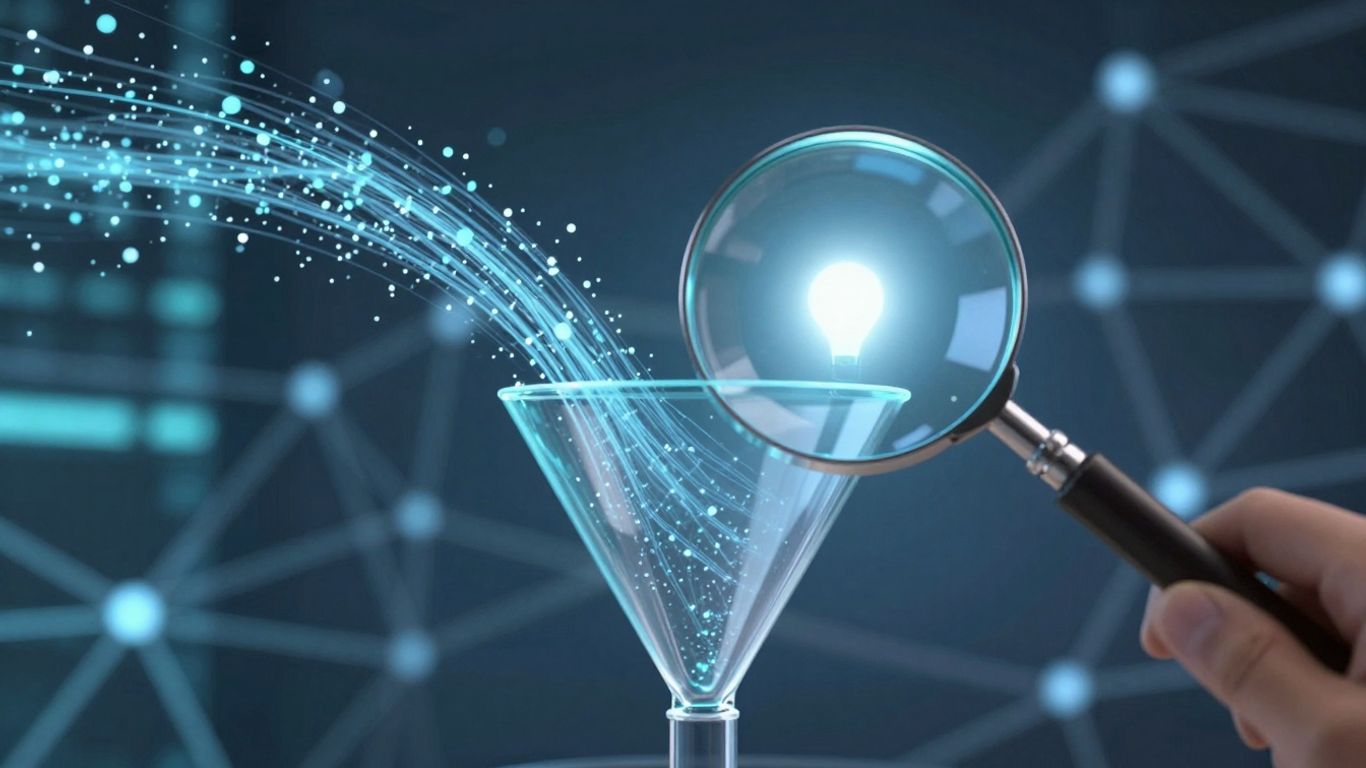
It's easy to get lost in the numbers when you're looking at your information funnel. You might think you're seeing the whole picture, but sometimes, the most obvious mistakes can lead you down the wrong path. Let's talk about a few common traps people fall into and how to sidestep them.
This is a big one. If the information you're feeding into your analysis is messy or wrong, your conclusions will be too. Think of it like trying to bake a cake with expired ingredients – it's just not going to turn out right. You need to be sure your data sources are solid. Regularly check your CRM and analytics tools. Are there missing entries? Are dates correct? Is customer information up-to-date? Bad data leads to bad decisions, plain and simple.
Relying on incomplete or inaccurate data is like trying to navigate with a broken compass. You'll end up somewhere you didn't intend to go, and it'll cost you time and resources to get back on track.
Numbers tell a story, but they don't always tell the whole story. Conversion rates, click-throughs, and time spent on page are all important, but they don't explain why someone did or didn't do something. That's where qualitative data comes in. Think customer surveys, feedback forms, or even just listening to what your sales team hears directly from prospects. These insights can reveal pain points or reasons for drop-offs that the numbers alone can't show.
Sometimes, the marketing team and the sales team operate in their own little worlds. This disconnect can really mess up your funnel analysis. Marketing might be bringing in leads, but if sales isn't following up effectively or if they have different ideas about what a 'good lead' is, the funnel breaks. You need both teams working together, sharing information, and agreeing on the goals and processes at each stage. Regular meetings where both sides can discuss what's working and what's not are super helpful. It's about making sure everyone is on the same page, from the first touchpoint to the final sale.
Seeing how others have made their information funnels work is pretty inspiring, right? It shows that all this talk about stages and data isn't just theory; it actually leads to real results. Businesses from all sorts of fields have used these ideas to grow.
Think about a big online store that wanted more people to know they existed. They put out cool content and ran smart ads online. It worked – lots of people got interested, and their name got out there way more. The trick was sticking to one clear message that their target customers liked. This got people paying attention right from the start.
Then there's a software company that sells to other businesses. They got really good at making helpful guides and articles that solved problems for their customers. This made them look like experts. By sending personalized emails and keeping their brand voice strong, they turned interested people into solid leads.
Finally, a newer tech company focused on getting people to actually buy their stuff. They looked closely at their data to figure out what was working best. By offering the right deals at the right time and making it super easy to buy, they got way more sales and a better return on their investment. It’s a good reminder that paying attention to the details pays off.
The key takeaway from these examples is that a well-thought-out funnel, backed by data, can guide potential customers smoothly from just hearing about you to becoming a loyal buyer. It’s about being smart with your message and your approach at every step.
Here’s a quick look at how different stages can play out:
It’s not always a straight line, of course. People might get interested and then disappear. But by watching what happens at each point, you can adjust your strategy. Maybe your content isn't quite hitting the mark, or perhaps the checkout process is too complicated. Looking at the numbers helps you spot these issues and fix them, making the whole process smoother for everyone involved.
So, we've walked through how to really get a handle on your sales funnel. It's not just about collecting data; it's about making that data work for you. By mapping out each step, gathering the right info, and then actually looking at what it means, you can spot where things are going wrong and fix them. Remember, this isn't a one-and-done deal. Keep an eye on your numbers, tweak your approach, and you'll find your sales process gets smoother and more effective over time. It’s all about making smart choices based on what the data tells you, which ultimately helps you connect better with customers and grow your business.
Think of an information funnel like a path that people take when they learn about and decide to buy something from a company. It starts wide, with lots of people just hearing about a brand (like seeing an ad). As they learn more and get interested, fewer people move to the next step, and so on, until finally, some people actually buy. It's a way to see how many potential customers you have at each step of their journey.
Tracking information helps businesses understand what's working and what's not. It's like checking your map to see if you're going the right way. By looking at the data, companies can figure out where people might be getting confused or losing interest, and then fix those spots to help more people become customers.
You should collect information about what people do at each stage. This includes things like how many people saw your ad, how many clicked on it, how many visited your website, how many signed up for more info, and finally, how many bought something. It's also good to ask people why they did or didn't buy, which is called getting 'qualitative insights'.
You can tell if your funnel is working by looking at the numbers, like how many people move from one step to the next (conversion rates). If lots of people stop at a certain point, that's a 'bottleneck,' and you know you need to improve that part. Also, see how long it takes for people to go through the whole funnel.
Numbers, or quantitative data, are the facts and figures, like '100 people visited the website' or '50 people bought the product.' Feelings, or qualitative data, are more about opinions and reasons, like 'Customers said the checkout process was confusing' or 'They loved the helpful blog posts.' Both are super important to get a full picture.
Once you know what the data tells you, you can make changes. Maybe you need to write clearer messages, create more helpful content, or offer special deals to people who are close to buying. You can even try two different versions of an ad or webpage to see which one works better for people.