

The Modern Marketing Leader’s Toolkit: AI Fluency, Data Literacy, and Business Acumen

Nitin Mahajan
—
October 4, 2026



Ever feel like your marketing efforts are a bit scattered? You've got great stuff to offer, but people aren't quite sure how to find it or why they should buy. Think of your website like a busy shop. Visitors come in, look around, but might get lost before finding what they need. A sales funnel tool acts like a helpful guide, leading potential customers on a clear path from just looking to becoming happy, loyal buyers. This guide will show you why a good funnel system is so important today and how to build one that actually works. Let's get started on making your visitors into fans.
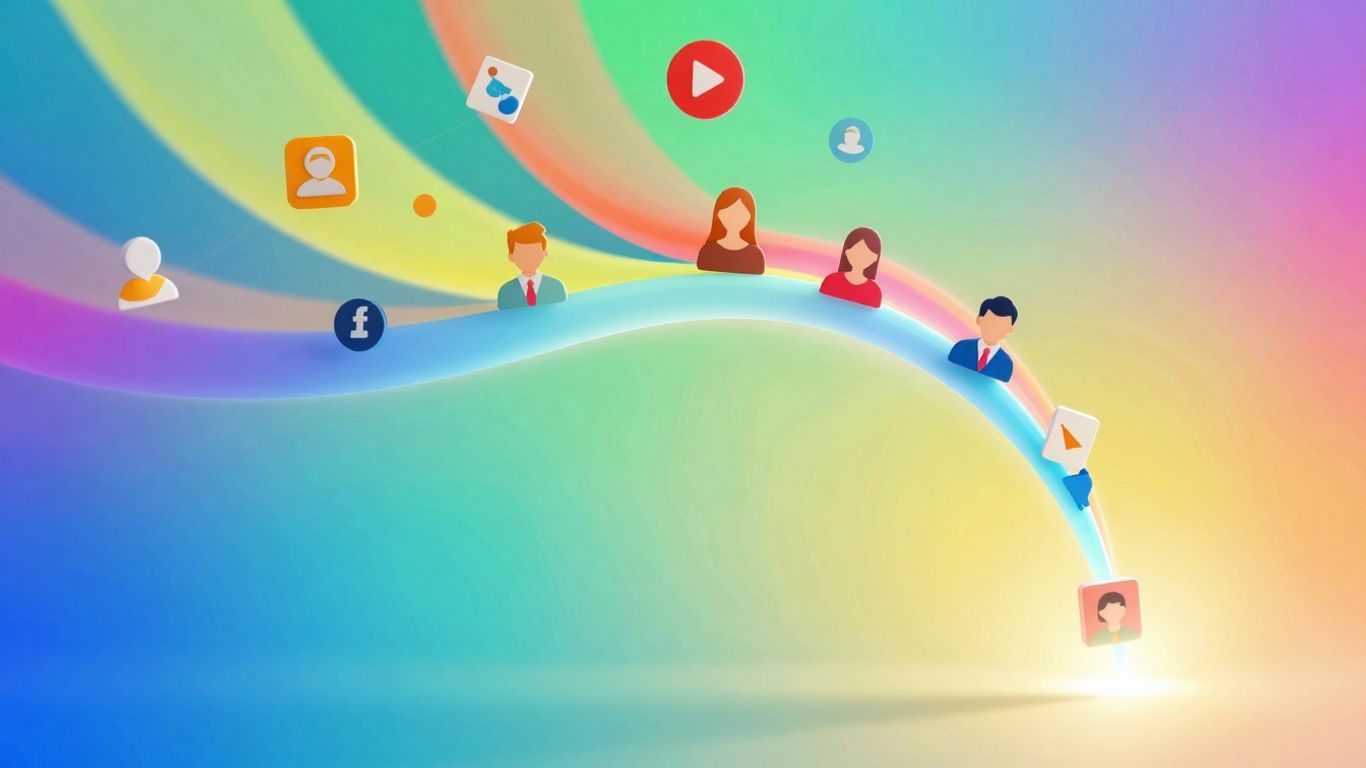
Think of a sales funnel like a guided tour for potential customers. It's the path you create to take someone from just hearing about your business to actually buying something, and hopefully, becoming a regular. It’s not just a random series of ads; it’s a planned sequence of interactions. We start broad, with lots of people becoming aware of us, and then we narrow it down, guiding those interested folks through steps until they decide to make a purchase. This structured approach helps us understand where people are in their decision-making process.
Here’s a look at the typical stages:
The whole point is to make this journey as smooth and logical as possible for the customer, so they don't get lost or confused along the way.
Beyond just knowing the stages, a sales funnel is a practical tool. It’s a framework that helps turn curious visitors into paying customers. It’s built on understanding what makes people tick and what nudges them towards a purchase. This involves more than just showing them your product; it’s about demonstrating how your product solves their problem or fulfills a need. We need to build trust and show them why we're the best choice.
Consider this breakdown:
This isn't just about getting one sale; it's about creating a system that consistently brings in customers and keeps them coming back.
Today's customers interact with businesses across many different places – their phone, computer, social media, email, and maybe even in person. A good funnel system makes sure all these interactions feel connected and consistent. It’s like having a conversation that flows naturally, no matter where it happens. Each point of contact, from seeing an ad to getting a follow-up email, should guide the customer forward without them feeling like they're starting over each time. This means your messaging and branding need to be consistent everywhere. It’s about creating a unified experience that builds confidence and makes the buying process feel effortless.
So, you've got the basics of a sales funnel down. Now, let's talk about actually building one that works, not just looks pretty. It’s like planning a road trip; you need to know where you're going, who's coming along, and what stops you'll make. This isn't about complicated tech jargon; it's about smart planning.
First things first, who are you even trying to reach? Trying to sell to everyone is like shouting into a crowded room – nobody really hears you. You need to figure out who your best customers are. What do they worry about? What do they want? What kind of stuff do they buy already? Think about their age, where they hang out online, what their job is, and what problems they're trying to solve. Knowing this makes everything else way easier. You can create messages that actually hit home instead of just being noise.
Here’s a quick way to think about it:
Understanding these details helps you tailor your entire approach. It's the foundation for everything that follows.
Once you know who you're talking to, you need to plan the conversation. Think of your funnel as a journey, not a single event. People don't usually go from seeing your ad to buying something in five minutes. They need to get to know you first.
Building these stages means thinking about what information someone needs at each step. It's about guiding them gently, not pushing them. You want them to feel comfortable and informed throughout the process.
Now you have a map and you know your passengers. What do you say to them? Your content needs to be helpful and interesting, not just a sales pitch. People are looking for solutions to their problems, and you need to show them you have them.
Your message should speak directly to the pain points you identified earlier. Use language that your ideal customer uses. Make it clear what you want them to do next with a strong call to action, like "Download Our Free Guide" or "Start Your Free Trial Today." It's about building trust and showing value, step by step. You can find great tools to help manage this whole process, like a good sales funnel builder.
So, you've got your customer profile, you've mapped out the journey, and you've got some killer content ready to go. That's awesome! But how do you actually make all this happen without losing your mind or spending all day clicking buttons? This is where digital tools come in. They're like the engine that keeps your sales funnel running smoothly, automating the boring stuff so you can focus on what you do best.
Think about the last time you met someone interesting. You wouldn't just forget about them, right? You'd probably send a quick message later to keep the conversation going. Your sales funnel needs that same kind of attention. Automation tools are your best friend here. They can send out personalized emails, follow up on specific actions a lead takes, or even send a reminder if someone abandons their cart. It’s about staying in touch without being a pest.
Here’s a quick look at what automation can handle:
Automation isn't about replacing human connection; it's about making sure that connection happens at the right time, with the right message, for everyone.
Imagine trying to plan a big event with a bunch of separate apps that don't talk to each other. It would be chaos! Your sales funnel is no different. You need your tools to work together. This means connecting your funnel builder with your Customer Relationship Management (CRM) system, your email marketing platform, and maybe even your payment processor.
When these tools are linked, information flows freely. A new lead from your website automatically goes into your CRM. An email campaign is triggered based on a sale. You get a clearer picture of the customer journey from start to finish.
Here’s a simple breakdown of what integration looks like:
Okay, so you've set up your automated system and connected your tools. Now what? You need to know if it's actually working! This is where analytics come in. You can't improve what you don't measure, right?
Look at the data. How many people are entering each stage of your funnel? Where are they dropping off? Which emails are getting the most opens? Which calls to action are people clicking?
By looking at numbers like these, you can spot problems. Maybe your landing page isn't convincing enough, or your follow-up emails aren't hitting the mark. Analytics give you the insights you need to make smart adjustments and keep your funnel performing at its best.

So, you've got your sales funnel set up, and things are moving. That's great! But honestly, just having a funnel isn't enough. To really see your sales climb, you need to constantly tweak and improve it. Think of it like tending a garden; you can't just plant the seeds and walk away. You've got to water, weed, and make sure everything's getting enough sun.
This is where A/B testing comes in. It’s basically trying out two different versions of something – like a webpage, an email subject line, or a call-to-action button – to see which one performs better. You show version A to one group of people and version B to another, then you look at the results. Did more people click the button on version B? Did they spend more time on the page with the different headline? It’s all about making small changes and seeing what makes a bigger difference.
Here’s a quick look at what you might test:
The goal is to let data, not guesswork, guide your decisions.
Once you've got your A/B test results, or even just looking at your regular funnel performance, it's time to dig into the numbers. Where are people dropping off? Are they getting to the checkout page but not buying? Maybe your shipping costs are too high, or the process is too complicated. Or perhaps they're not even getting to that stage because your landing page isn't clear enough about what you offer.
Analyzing your funnel data helps you pinpoint exactly where potential customers are getting stuck or losing interest. It's like being a detective, looking for clues to understand why someone isn't moving to the next step. Fixing these bottlenecks is key to turning more prospects into paying customers.
Look at metrics like:
Getting a new customer is one thing, but keeping them is where the real long-term growth happens. Happy, repeat customers spend more over time and often become your best advertisers. So, how do you keep them coming back?
Alright, so you've got your funnel mapped out, your content is ready to go, and you're feeling pretty good about it. But how do you actually build this thing and make it work without pulling your hair out? That's where the tools come in. Picking the right software is kind of like choosing your tools for a big DIY project – you need the right hammer for the nails, the right saw for the wood, and so on. Get it wrong, and you're just making things harder for yourself.
When you're looking at sales funnel builders, don't just grab the first one you see. Think about what you actually need it to do. You want something that's not going to make you feel like you need a computer science degree just to use it. A drag-and-drop interface is usually a good bet – it's like building with digital LEGOs, pretty straightforward. Also, check out the templates they offer. Do they have options that look decent and can be tweaked to match your brand? You don't want something that looks like everyone else's.
Here are some things to keep an eye out for:
This is a big one. Your sales funnel builder is great, but it's just one piece of the puzzle. You've probably got other systems in place, like a Customer Relationship Management (CRM) tool. Think of your CRM as the central hub for all your customer information. If your funnel builder can't talk to your CRM, you're going to be doing a lot of manual data entry, which is a pain. You want leads from your funnel to automatically pop into your CRM, so your sales team knows who's interested and where they are in the process. It makes everything flow so much better.
Connecting your tools means information moves freely. Leads captured in your funnel can instantly update customer profiles in your CRM, allowing for more personalized follow-ups and a clearer view of the customer journey. It stops data from getting stuck in silos.
What works for you today might not work in a year or two. As your business grows, your needs will change. Maybe you start with a simple two-step funnel, but then you want to build out more complex, multi-stage journeys. The tools you choose should be able to grow with you. Look for platforms that offer different pricing tiers or add-on features that you can activate as you need them. You don't want to invest heavily in a tool only to outgrow it in six months and have to start the whole process over again. It's better to pick something that has room for you to expand.
Consider these points when thinking about scalability:
So, building a sales funnel might seem like a lot at first, but it's really just about guiding people. Think of it like helping a friend find their way around town. You show them the sights, point out the best spots, and make sure they have a good time. By understanding who you're talking to, creating clear steps, and using the right tools to keep things moving, you're not just selling something. You're building relationships and making it easy for people to find what they need. Keep an eye on your results, make small changes when needed, and you'll see your sales grow. It’s a practical system that works, and it’s totally doable.
Think of a sales funnel like a map for your business. It shows the path a person takes from first hearing about your product or service to actually buying it. It's all about guiding them smoothly from being curious to becoming a customer.
Knowing who your ideal customer is helps you create messages and offers that really connect with them. It's like knowing what your friend likes before you suggest a movie – you're more likely to pick something they'll enjoy.
Digital tools, like email programs and special software, can do a lot of the work for you. They can automatically send messages, track what people are interested in, and help you see what's working best so you can make your funnel even better.
Optimizing means making your sales funnel as good as it can be. You do this by testing different ideas, like changing a picture or a message, to see what gets more people to buy. It's all about making small improvements to get bigger results.
Sure! The first stage is 'Awareness,' where someone first learns about your business, maybe through an ad or a friend's recommendation. Then comes 'Interest,' where they start looking into what you offer.
A sales funnel is the process or journey itself. A sales funnel builder is a tool or software that helps you create and manage that journey easily, often with features like drag-and-drop design and automation.