


The Modern Marketing Leader’s Toolkit: AI Fluency, Data Literacy, and Business Acumen

Nitin Mahajan
—
October 4, 2026



So, you want to grow your business, right? Well, a big part of that is getting people to know about you and then actually buy what you're selling. It’s like a path, a journey, that people take. We call this the funnel. This guide is all about making that path super clear and easy for folks to follow, from the moment they first hear about you all the way to them becoming a happy, repeat customer. Let's get this funnel working for you.
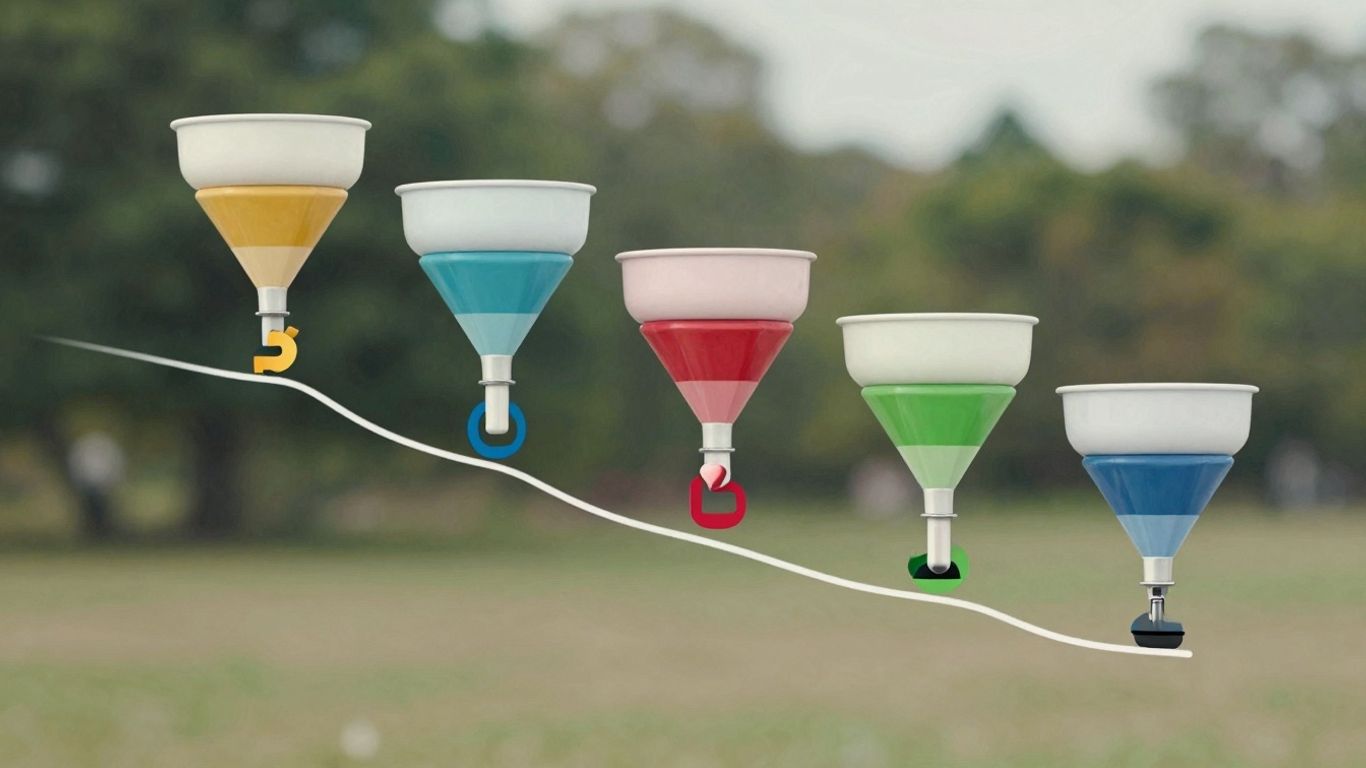
Think of a marketing funnel like a sieve for your business. You pour a lot of potential customers in at the top, and as they move through, some naturally fall out, but the ones that make it to the bottom are your actual customers. It’s a way to map out how someone goes from not knowing you exist to actually buying something.
This is the very first step. Someone has a problem or a need, and they don't even know your brand exists yet. Your job here is to get on their radar. Maybe they see one of your ads on social media, find your blog post through a Google search, or hear about you from a friend. The main goal is just to make them aware that you're out there and that you might have something that could help them later on. It’s all about getting noticed.
Okay, so they know you exist. Now what? In the interest stage, people start looking a little closer. They might visit your website, check out your social media profiles, or sign up for your email list because they want to learn more. They're curious about what you offer and if it can actually solve their problem. This is where you start giving them more information, like helpful articles or guides, without being too pushy about selling.
Now, they're seriously thinking about it. They know they have a need, and they're looking at different options, including yours and your competitors'. They're comparing features, prices, and what other people say. Your role here is to show them why your solution is the best fit. This might involve detailed product pages, case studies, or webinars that explain your value proposition clearly.
This is getting close to the finish line. People in the intent stage are showing clear signs they're ready to buy. They might be putting items in their online cart, requesting a demo, or comparing final details. Your focus now is to make that final push. Think special offers, clear calls to action, or easy ways to get their questions answered quickly. You want to remove any last-minute doubts and make it super simple for them to choose you.
The funnel isn't just a theoretical model; it's a practical tool that helps businesses understand where potential customers are in their buying process and what kind of information or support they need at each step. Without this understanding, marketing efforts can feel scattered and ineffective.
Here's a quick look at the stages:
Getting people to notice your brand is just the first step, right? The real work starts when you figure out how to keep them interested and eventually get them to buy. It’s like building a relationship – you can’t just show up and ask for a commitment. You’ve got to put in the effort at each point.
This is where you make people aware that you exist and that you might have something they need. Think of it as the initial handshake. You want to be seen and heard, but not in an annoying way. The goal is to catch their eye and make them think, "Hmm, that's interesting." This could be through social media posts that get shared, articles that pop up when they search for something, or even just a catchy ad.
The key here is to be helpful and visible without being pushy. People are looking for solutions, and you want to be the first one they think of when that need arises.
Okay, so they know you exist. Now what? You need to give them a reason to stick around and learn more. This is where you start showing them what you're made of, not by bragging, but by actually being useful. Send out newsletters with helpful tips, share case studies that show how you’ve helped others, or offer free guides related to your industry.
Now, they’re seriously thinking about you. They might be comparing you to others. This is the time to really show why you're the best choice. Don't just say you're good; prove it. Share testimonials from happy customers, provide detailed product comparisons, and offer demos or free trials so they can experience it themselves.
This is the final push. They’re ready to buy, but you need to make it as easy and appealing as possible. Remove any last-minute hesitations. Offer clear calls to action, simplify the checkout process, and maybe even throw in a small discount or a bonus to seal the deal. After they buy, don't disappear! Follow up to make sure they’re happy and to encourage them to come back.

Thinking about your marketing as a complete journey, not just a single transaction, is where real growth happens. It’s about making sure people know you exist, get interested, consider what you offer, and then, yes, buy. But it doesn't stop there. The real magic is what happens after the sale.
Getting people to notice you in the first place is the top of the funnel. This isn't just about shouting your name from the rooftops. It's about creating content and running campaigns that genuinely connect with the people you want to reach. Think about what problems they have and how you can start a conversation about solutions. This stage is all about making a good first impression and getting on their radar.
So, someone bought something. Great! But that’s just the beginning. Now you need to keep them happy and coming back. This means providing excellent customer service, sending helpful follow-up information, and generally making them feel appreciated. It’s about turning a one-time buyer into someone who feels good about their choice and might even consider buying again.
This is where things get really interesting. When customers are not only loyal but also start telling their friends about you, that’s gold. This happens when you consistently provide a great experience, not just with your product or service, but with every interaction they have with your brand. Happy customers become your best salespeople, bringing new people into your marketing funnel without you having to spend a dime on acquisition for those specific leads. It’s a powerful cycle that fuels sustainable growth.
Here’s a quick look at how different stages build on each other:
Focusing on the entire customer lifecycle, from initial contact to becoming a brand champion, creates a more robust and resilient business model. It shifts the focus from short-term sales to long-term relationships, which is often more profitable in the long run.
Getting the right people into your funnel is step one. If you're trying to sell fancy coffee makers to folks who only drink instant, you're going to have a tough time. So, first things first: figure out who your best customer is. Think about their age, what problems they have that you can fix, and where they hang out online. Are they on LinkedIn, scrolling through Instagram, or reading specific blogs? Once you know that, focus your energy and ad spend on those places. It’s way better to have a smaller group of people who are actually interested than a huge crowd who will never buy.
Trying to attract everyone is like trying to catch fish with a net that has holes too big. You'll end up with nothing but wasted effort and a lot of frustration. Be picky about who you let into your marketing world.
Once you've got people interested, you can't just leave them hanging. You've got to keep giving them reasons to stick around and move further down the funnel. This means offering helpful stuff at every turn. For example, if someone downloads a guide from your website, follow up with more useful tips related to that topic. If they're looking at a product, make sure the product page has all the details they need, plus reviews from other happy customers. Think about what questions they might have at each stage and answer them before they even ask.
Email is still a powerhouse for keeping potential customers warm. It's your direct line to people who have already shown some interest. Don't just blast out sales pitches, though. Send emails that actually help them. Share more tips, answer common questions, or tell them about new products that might fit what they're looking for. Segmenting your email list is key here. Sending a special offer for a product someone already bought isn't going to work. Tailoring your emails to what you know about each person makes them much more likely to pay attention and eventually buy.
Making smart choices about your marketing funnel isn't about guessing; it's about looking at what's actually happening. You've got to pay attention to the numbers to figure out what's working and what's not. It’s like trying to bake a cake without tasting it – you might end up with something unexpected, and not in a good way.
First things first, you need to know what to measure. Think of these as your dashboard lights. Without them, you're driving blind. Here are some key things to keep an eye on:
Knowing these numbers helps you spot where people are dropping off. Maybe your ads are great at getting attention, but your landing page isn't convincing anyone to stick around. That's a clear sign something needs tweaking.
Once you know what to track, you can start testing. A/B testing is basically trying two versions of something – say, two different headlines on a webpage – to see which one performs better. It’s a simple way to make small changes that can have a big impact.
Here’s a quick look at how it works:
You're not just changing things randomly. You're making educated guesses based on what you think your audience wants and then letting the data tell you if you were right. It’s a constant cycle of trying, measuring, and learning.
Your funnel isn't a 'set it and forget it' kind of thing. The market changes, people change, and your funnel needs to change with them. Regularly looking at your data and making adjustments is how you keep things running smoothly and effectively. It might mean updating your content, trying new ad platforms, or even rethinking your offers. The goal is always to make the journey for your potential customers a little bit better, a little bit easier, and a lot more likely to end in a positive outcome for both of you.
It's one thing to talk about marketing funnels, but seeing them work in the wild? That's where the real learning happens. Let's look at a few examples that show how different companies have used funnel strategies to grow.
Think about a big online store that wanted more people to know about them. They didn't just throw ads everywhere. Instead, they focused on creating cool content – maybe blog posts about trends, or fun videos showing their products in action. They made sure this content showed up where their potential customers were hanging out online. This smart approach got people interested and talking, which naturally led them to check out the store. It wasn't about shouting the loudest, but about being helpful and interesting.
Now, consider a company selling software to other businesses. They knew that just telling people their software was great wasn't enough. So, they started sharing useful guides and webinars that helped businesses solve common problems – problems their software could fix. This built trust. They weren't just selling; they were teaching and helping. This made potential clients feel like they understood their needs and were a reliable source of information, making the decision to buy much easier.
Finally, let's talk about a newer tech company that needed to turn interested people into paying customers, fast. They looked closely at what happened when someone visited their website or signed up for a free trial. They noticed a lot of people dropped off at a certain point. By digging into the data, they figured out that the sign-up process was a bit too long. They simplified it, made the next steps clearer, and offered a small discount for signing up right away. This small tweak made a big difference in getting people to commit.
The common thread in these stories is that success isn't just about having a product; it's about understanding the journey a person takes from first hearing about you to becoming a loyal fan. Each stage of the funnel needs attention, and what works for one company might need a tweak for another.
Here's a quick look at what these companies focused on:
So, we've walked through how to build and improve your customer journey, from that first hello to them becoming a loyal fan. It's not really a one-and-done thing, you know? Think of it more like tending a garden – you plant the seeds, water them, and keep an eye out to make sure everything's growing right. By paying attention to each step, offering good stuff, and just generally being smart about what your customers want, you'll see your business grow. Keep watching the numbers, tweak what needs tweaking, and you'll be well on your way to building something that lasts.
Think of a marketing funnel like a journey. It's how people first hear about your business, get interested, decide if they like what you offer, and then finally buy something. It helps businesses understand how to talk to customers at each step.
This is where people first discover you. It's like getting their attention in a crowded room. If you don't grab their notice here, they'll never even think about buying from you later.
Once they know you exist, you need to show them why you're cool. Share helpful tips, fun facts, or stories that solve their problems. Give them good stuff so they want to learn more.
During 'Consideration,' people are checking out your stuff and comparing it to others. 'Intent' is when they're getting serious, like putting things in their online cart or asking for a price. They're almost ready to buy!
Nope! After someone buys, you still need to keep them happy. This leads to them coming back for more (loyalty) and telling their friends how great you are (advocacy). It's a cycle!
You need to watch the numbers! See how many people move from one step to the next. Try different things, like changing your ads or website text, and see what gets more people to buy. It's all about learning and getting better.