


The Modern Marketing Leader’s Toolkit: AI Fluency, Data Literacy, and Business Acumen

Nitin Mahajan
—
October 4, 2026



Getting people interested in buying cars is what dealerships are all about, right? But it's gotten trickier. People do a lot of looking online before they ever step foot in a showroom. So, how do you make sure they find you and want to talk to you? It’s all about smart lead generation for car salesmen. We're going to look at some proven ways to get more potential buyers in the door, or at least talking to you online, in 2025. It’s not rocket science, but it does take a plan.
Your dealership's website is the first place most potential buyers go these days. Think of it as your digital showroom, and it really needs to be top-notch if you want to turn visitors into actual leads. In 2025, this means making sure your site works perfectly on phones, is easy to get around, and makes it simple for people to reach out. If your website is a pain to use on a small screen, they're just going to leave. Make sure menus are clear, buttons are easy to tap, and information loads quickly. Nobody has time for a slow, clunky website.
First things first, your website has to look good and work well on any device, especially smartphones. Most car shoppers do their research on their phones these days. We're talking about making sure your site is fully responsive and loads fast on all devices. A good starting point is to check how your site performs on different screen sizes. You can use online tools to see how it looks on a phone, tablet, and desktop.
Once people are on your site, you need to guide them toward becoming a lead. This means having clear calls to action (CTAs) like "Schedule a Test Drive" or "Get a Quote" placed strategically on pages. When they click, the forms they fill out should be short and straightforward. Asking for too much information upfront can scare people away. Start with the basics, and you can gather more details later. A good form should only take a minute or two to complete.
Here’s a quick checklist for your website's lead generation setup:
Live chat is a game-changer for capturing leads right when interest is highest. When a visitor has a question, they want an answer now, not after they've already left your site. Having a live chat feature, ideally available 24/7, lets you connect with potential buyers instantly. This immediate interaction can significantly boost your conversion rates. Training your team to respond quickly and helpfully is key to qualifying these leads and setting up appointments. Beyond chat, consider offering virtual tours of your vehicles. High-quality photos and 360-degree video walkarounds can give potential buyers a real feel for the car from the comfort of their own home, further engaging them before they even consider a physical visit.
The digital showroom is where the modern car buyer begins their journey. Making this space intuitive, fast, and user-friendly is no longer optional; it's the foundation of effective lead generation in today's market. Investing in a mobile-first design and clear pathways for inquiry directly impacts your ability to capture valuable customer interest before competitors do.

Think of your lead generation like building a well-oiled machine. It’s not just about getting names and numbers; it’s about creating a steady, predictable flow of people interested in buying a car. This means understanding who you're talking to and how quickly you need to get in front of them.
Not all leads are created equal, and knowing the difference helps you focus your efforts. You've got your "hot" leads – the ones who are practically ready to sign on the dotted line this week. Then there are the "warm" leads, who are still browsing but could be convinced with the right approach over the next few months. A good mix is key to keeping your pipeline full for both immediate sales and future business.
Here’s a general idea of what a healthy monthly target might look like:
Hot leads often convert within a week, while warm leads might take 3 to 6 months. Having both ensures you're not just chasing immediate sales but also nurturing future buyers.
The speed at which you follow up after a lead comes in can make a massive difference. Responding within the first hour can significantly increase your chances of closing the deal.
Seriously, speed is everything in this business. When someone shows interest, the clock starts ticking. If you can get back to them within minutes, not hours, you're way ahead of the game. This isn't just a nice-to-have; it's a must-have for turning interest into appointments and then into sales.
Who are you actually trying to sell to? You can't be everything to everyone. Figuring out your ideal customer – their age, their needs, what they do for a living, what kind of car they're looking for – helps you tailor your marketing and your sales pitch. This makes your efforts much more effective. Think about:
Knowing this helps you find more people like them and speak their language, making the whole sales process smoother for everyone involved.
Alright, so you've got a handle on who you're trying to reach and how to get their attention online. Now, let's talk about really zeroing in on the folks who are practically ready to sign on the dotted line. It’s not just about getting any lead; it’s about getting the right lead – the ones who are serious and have a clear plan to buy.
Forget those generic "$500 off" deals. To really grab someone's attention, your offers need to feel special and time-sensitive. Think about what truly motivates your ideal buyer. Are they worried about rising gas prices? Maybe a "Fuel Efficiency Guarantee" for the first year is your ticket. For families, a "Complimentary Child Safety Seat Installation" with any SUV purchase could be the nudge they need. The key is to tie your offer directly to a buyer's specific need or pain point, making it feel indispensable.
Here are a few ideas to get you thinking:
These kinds of tailored incentives show you've done your homework and understand their daily life. It builds trust before they even step foot on the lot.
This might sound counterintuitive, but sometimes, making a lead form slightly harder to fill out can actually improve lead quality. We're not talking about making it impossible, but adding one or two well-placed questions can filter out the tire-kickers. The goal is to get enough information to qualify the lead without scaring them away entirely.
By asking just a little more, you get a clearer picture of their intent and timeline. This helps your sales team prioritize their efforts on leads that are more likely to convert.
The sweet spot for lead forms is finding that balance between gathering enough qualifying information and keeping the process quick and easy. Too many questions, and people bail. Too few, and you're swamped with leads who aren't ready to buy. It's a delicate dance, but getting it right means your sales team spends less time chasing ghosts and more time closing deals.
Not all leads are created equal, and that's okay. Some people are just browsing, while others are actively searching for their next vehicle. Your job is to identify those who are signaling clear intent. This often comes down to timing and the specific actions they take on your website or through your ads.
When you see these signals, it's time to act fast. A quick, personalized follow-up that acknowledges their specific interest can make all the difference. For instance, if they've been looking at a specific SUV, your follow-up could be, "Hi [Name], I saw you were checking out the new Explorer. Are you interested in learning more about its safety features or perhaps scheduling a test drive?"
This targeted approach ensures your efforts are focused on the buyers most likely to make a purchase, making your lead generation efforts much more efficient and effective.
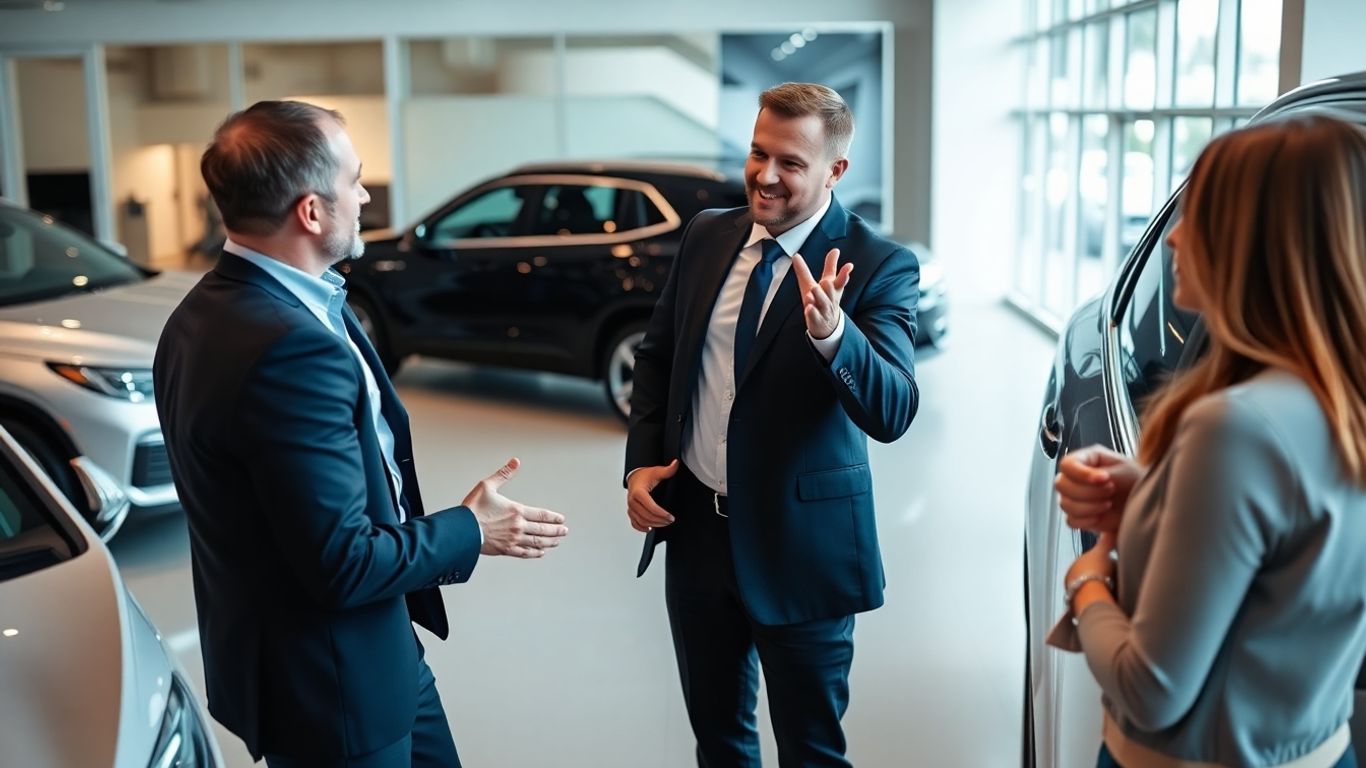
These days, folks looking for a new car aren't just checking one spot. They might see a TV ad, then hop online to search, scroll through social media, or even get a tip from a friend. To really connect with potential buyers, you can't just rely on one method. You need to be where they are, showing up at the right time.
Social media is way more than just sharing pictures of your lunch. For car dealerships, it's a goldmine for connecting with people. Platforms like Facebook, Instagram, and even TikTok give you different ways to reach out. You can show off new cars with cool photos and videos, run ads aimed at specific groups in your area, and even do live Q&A sessions to answer questions on the spot. It's about being present and interactive where your customers spend their time.
Think of your website and your physical dealership as part of the same conversation. An ad in the local paper could point people to your website, and your website should definitely have your address and hours. The goal is to make it easy for someone to see something online and then walk through your doors. This means your look and your message should be the same everywhere, whether it's a billboard, a radio ad, or a banner on a local news site. When these things work together, they make a bigger impression and help people find you more easily.
Creating useful content is a smart way to attract people who are actively looking for information about cars. Think blog posts answering common questions, guides comparing different models, or videos showing off car features. When this content is optimized for search engines (SEO), people searching for those topics online will find your dealership. This brings in buyers who are already interested and looking for solutions you can provide. It's about being the helpful expert that people turn to when they're in the research phase of buying a car.
When a potential buyer clicks "submit" on your website, a race begins. The dealership that responds first often wins the sale, plain and simple. Waiting too long gives prospects time to look at other options or simply lose interest. Speed is your biggest ally in turning a digital inquiry into a showroom visit.
Think of the first few minutes after a lead comes in as a golden window. Industry data shows that leads contacted within the first hour are seven times more likely to convert. The average dealer response time, however, is often much longer. This gap presents a huge opportunity.
Here’s a basic playbook for that critical first contact:
This multi-channel approach cuts through the noise and shows you're serious about earning their business.
While personal contact is key, automation can keep your dealership top-of-mind without overwhelming the prospect or your sales team. A Customer Relationship Management (CRM) system is your best friend here. It helps manage inquiries and automate follow-ups.
Here’s how to set up a basic workflow:
This structured system turns lead generation from a passive waiting game into an active, strategic engagement. It makes sure no promising prospect ever goes cold, keeping your sales pipeline consistently full.
To know if your response process is working, you need to watch the numbers. Focusing on the right metrics helps you see what's effective and where you need to adjust.
Here are some important benchmarks to aim for:
Regularly checking these numbers will tell you if your ad targeting, your offers, or your follow-up scripts need tweaking. It’s all about building a reliable process that keeps bringing in buyers.
So, you've made the sale, and the customer drove off in their shiny new car. Great job! But that's not the end of the story, not by a long shot. The real magic happens when those happy folks start telling their friends and family about their awesome experience. Turning happy buyers into your dealership's biggest fans is a smart move, and it's way more effective than just chasing new leads all the time.
Think about it: when a friend recommends a restaurant or a product, you're way more likely to check it out, right? It's the same with car buying. People trust recommendations from folks they know. Referred customers often convert better and tend to stick around longer, meaning they might buy from you again down the road. It's like having a whole team of salespeople out there, working for you without you even having to pay them a commission. Setting up a solid referral program can really make a difference in your sales figures. It's a powerful way to drive repeat and referral business.
Beyond word-of-mouth, getting customers to share their positive experiences online is gold. Think about how often you check reviews before buying something. Your potential customers are doing the same thing. A flood of positive reviews on Google, Yelp, or even your own website builds trust and shows people you're a dealership they can count on. It's not just about getting stars; it's about building a reputation.
Here’s a simple way to encourage reviews:
Building a strong online presence through customer feedback is key in today's digital world. It acts as social proof, influencing undecided buyers and reinforcing the positive image of your dealership.
Getting involved in your local community is another fantastic way to get your name out there and build goodwill. Sponsoring a local youth sports team, participating in community events, or even hosting a dealership open house can put you in front of potential customers in a relaxed, non-salesy way. These aren't just charity acts; they're opportunities to connect with people, show you care about the area, and build relationships. When people see your dealership as a positive part of the community, they're more likely to think of you when they need a new car. It’s about being seen as a neighbor, not just a business.
So, we've gone over a bunch of ways to get more people interested in buying cars in 2025. It's not just about throwing ads out there and hoping for the best. You really need to think about who you're talking to, make your website easy to use on phones, and, honestly, respond super fast when someone shows interest. Using different tools and channels, like social media or even just good old email, can make a big difference too. The main thing is to keep trying different things, watch what works, and don't be afraid to adjust your plan. Getting good leads is a process, but by sticking with these strategies, you'll definitely see your sales pick up.
In 2025, the biggest thing is to be super fast when someone shows interest in a car. If you contact them within the first hour, you're way more likely to make a sale. Also, making your website work great on phones is a must because most people shop that way now.
To get people who are really serious about buying, don't make your contact forms too simple. Ask one or two extra questions, like 'When do you plan to buy?' or 'Do you have a car to trade in?' This helps filter out people who are just looking around.
Offer something valuable in exchange for their information! This could be a helpful guide, like a checklist for buying a car, or a special deal. People are more likely to share their details if they get something useful in return.
A good price to aim for when you're paying for leads is usually between $35 and $50. If you're spending a lot more than that, it's smart to check if your ads are reaching the right people or if the deals you're offering are good enough.
Social media is a great place to show off new cars with cool pictures and videos. You can also run ads that show up only to people in your area who might be looking for a car. It's a way to connect with potential buyers where they already spend their time.
When customers are really happy with their car and the service they got, ask them to tell their friends or write reviews online. People trust recommendations from friends and reviews more than ads, so happy customers can bring in new buyers.