

The Modern Marketing Leader’s Toolkit: AI Fluency, Data Literacy, and Business Acumen

Nitin Mahajan
—
October 4, 2026



So, you're trying to get more people to buy your stuff, right? It sounds simple, but it's actually a bit of a puzzle. That's where building a sales funnel comes in. Think of it like a path you lay out for potential customers. It starts broad, with folks just getting to know you, and then it narrows down, guiding them step-by-step until they decide to make a purchase. This guide is all about making that path super clear and easy to follow, so you don't lose people along the way. We'll cover how to get them interested, keep them engaged, and finally, get them to click 'buy'.
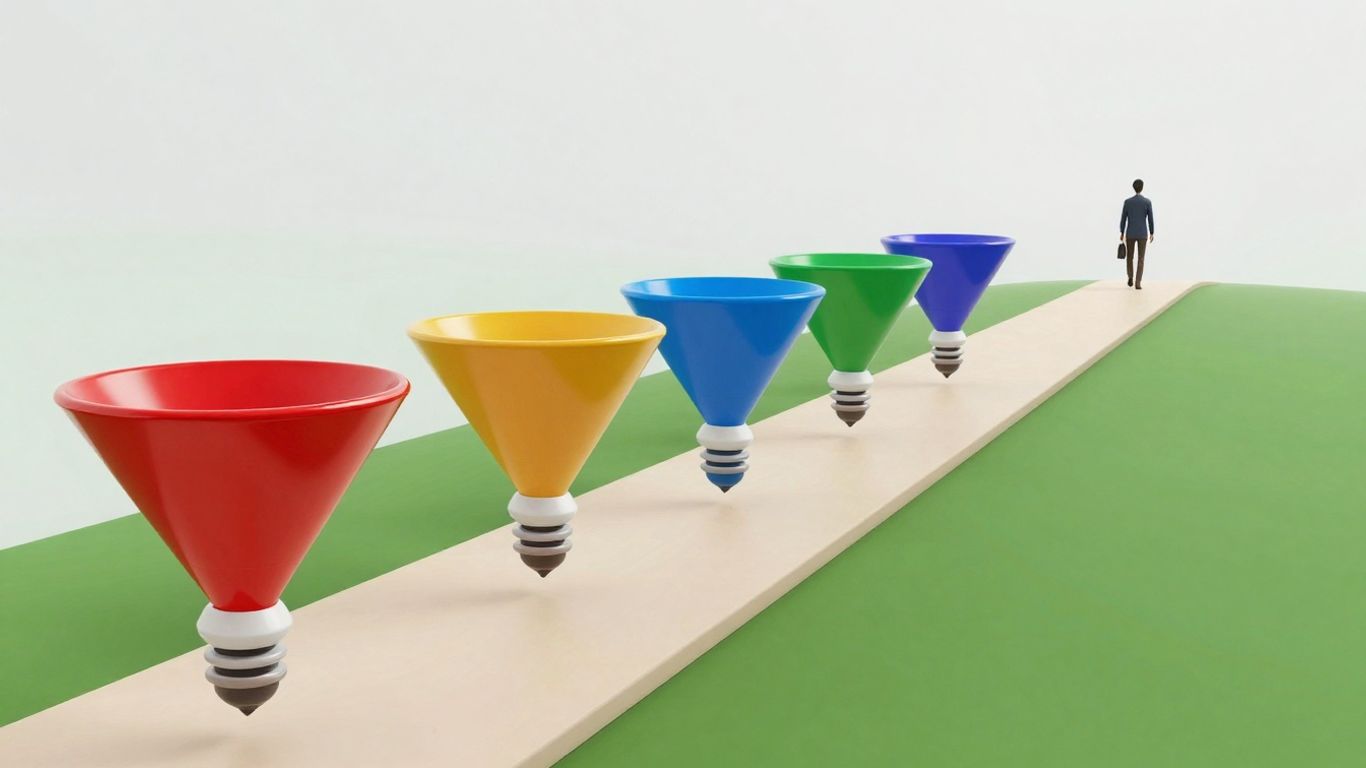
Think about a time you tried to pour juice from a big jug into a small glass. You probably used a funnel, right? It stops the mess and makes sure the juice goes exactly where you want it. A sales funnel does something similar for your business. It’s a structured path that guides potential customers from first hearing about you all the way to making a purchase. The main goal is to make this journey as smooth as possible, turning interested people into paying customers without losing them along the way. Without this clear path, you might have people interested in what you offer, but they just wander off because they don't know what to do next. It’s about directing their attention and actions effectively.
Trying to market without a funnel is like throwing darts in the dark. You might hit something, but probably not what you were aiming for. A well-planned funnel strategy helps you focus your marketing efforts. You know who you're talking to and what stage they're at, so you can send them the right message at the right time. This means less wasted money on ads that don't work and more success with messages that actually connect. It helps you see where your marketing is working and where it's falling short.
Here’s how a funnel strategy sharpens your marketing:
A funnel isn't just a concept; it's a practical tool that shows you exactly how to guide people toward buying. It helps you understand their journey and make sure your marketing efforts are actually leading them to the checkout.
Imagine you're trying to explain a complicated process to someone. Drawing it out makes it much easier to understand. A sales funnel is like a map for your customer's journey. It shows you all the steps someone takes, from the moment they first become aware of your brand to when they become a loyal customer. This visualization is super helpful because it lets you see things from their perspective. You can spot where they might get confused or where they might decide to leave. It helps you understand their behavior and make the whole experience better for them, which, in turn, is better for your business.
Alright, so you've got this idea for a product or service, and you want people to buy it. Makes sense. But how do you actually get them from just hearing about you to clicking that 'buy now' button? That's where mapping out the stages of your conversion funnel comes in. Think of it like a path, a journey your potential customers take. It's not just one big leap; it's a series of steps, and understanding each one helps you guide them better.
This is the very beginning, the widest part of your funnel. Your main goal here is just to get noticed. People are out there, probably dealing with a problem or a need, but they might not even know you exist yet. So, you need to put yourself on their radar. This isn't the time for a hard sell; it's about making them aware that you're a possibility. Think of it like meeting someone new – you don't ask them to marry you right away, right? You introduce yourself.
The awareness stage is all about casting a wide net. You're not looking for perfect customers yet, just potential ones.
Okay, so they know you exist. Now what? You need to get them interested. They're likely looking at other options, comparing things. This is where you start building trust and showing them why your solution is a good one. You're not just shouting into the void anymore; you're having a conversation. You want them to think, "Hmm, this company seems to know what they're talking about and might actually help me."
This is the part where things get serious. The people who make it this far are pretty much ready to buy. They've considered their options, and they're leaning towards you. Your job now is to make that final push easy and convincing. Remove any last-minute doubts and make the purchase process as smooth as possible. This is the narrowest, but most important, part of the active funnel.
Don't stop after the sale! Seriously. Getting a new customer is great, but keeping them is even better. Happy customers come back, and they tell their friends. This part of the funnel is about making sure they have a good experience even after they've bought from you. It's about turning a one-time buyer into a loyal fan.
Okay, so you've got this great idea for a product or service, but who are you actually trying to sell it to? This is where defining your ideal customer profile, or ICP, comes in. It's not just about age and location, though that's part of it. Think deeper. What are their daily struggles? What keeps them up at night? What are their biggest goals and aspirations? When you can answer these questions, you're not just guessing anymore; you're building a direct line to the people who will actually care about what you have to offer.
Knowing your ICP helps you tailor everything – your messaging, your product features, even where you hang out online. It stops you from shouting into the void and starts you talking directly to the people who are most likely to become your biggest fans.
Once you know who you're talking to, you need to figure out what you're going to offer them, and how. This is where the idea of a value ladder comes in. Think of it as a staircase, where each step represents a different level of value and, usually, a different price point. You start with something small and accessible, maybe even free, to get people in the door. Then, as they move up the ladder, they get more value, more specialized help, and yes, they pay more for it.
This approach is super smart because it caters to different needs and budgets. Someone might not be ready to buy your top-tier coaching package right away, but they might be happy to grab your e-book or join your introductory webinar. Each step is designed to build trust and demonstrate your capabilities, making the next step up feel like a natural progression.
Here’s a quick look at how it might play out:
This tiered structure not only makes your offerings more accessible but also creates a clear path for customers to grow with you, increasing their lifetime value to your business.
So, you've got your ICP defined and your value ladder mapped out. Now, how do you get those ideal customers to actually give you their contact details in the first place? That's where lead magnets come in. A lead magnet is essentially a freebie you offer in exchange for an email address (or other contact info). It needs to be something genuinely useful and desirable to your target audience, something that solves a small, specific problem or provides a quick win.
The best lead magnets give a taste of the value you provide without giving everything away. They should be easy to consume and deliver immediate value. Think about what your ideal customer is struggling with right now, at the very top of the funnel. What information are they searching for? What quick fix could make their day a little bit better?
Some popular types of lead magnets include:
Whatever you choose, make sure it's high-quality, relevant to your main offer, and clearly communicates the benefit to the person downloading it. It's your first handshake, so make it a good one.
So, you've got a killer idea for a product or service, and you know who you want to sell it to. Awesome. But how do you actually get people from just hearing about you to actually clicking that 'buy' button? That's where building and structuring your sales funnel comes in. It's not just about having a website; it's about creating a clear path for your potential customers.
First things first, you need a way to grab those potential customers' attention and get their contact info. Think of this as the entrance to your funnel. You can't guide someone if you don't know who they are, right? This is where lead magnets shine. A lead magnet is basically a freebie you offer in exchange for an email address or some other contact detail. It needs to be something genuinely useful to your target audience. Maybe it's a checklist, a short guide, a template, or even a discount code for their first purchase. The key is that it solves a small problem or offers immediate value. You'll want to place these strategically on your website, social media, or even in ads. A well-designed landing page is also super important here. It should be focused, clear, and make it super easy for someone to sign up. No distractions, just a clear call to action.
Okay, so you've got their email. Now what? You can't just immediately hit them with a hard sell. That's a quick way to get ignored or marked as spam. This is the nurturing phase, where you build trust and show them you know what you're talking about. You'll want to send them a series of emails or other content that educates them, addresses their pain points, and subtly introduces your solution. Think of it like getting to know someone before asking them out. You share common interests, build rapport, and show you're a good match. This content should be tailored to where they are in the funnel. For example, someone who just downloaded a beginner's guide probably needs different information than someone who's been on your email list for a month and has shown interest in specific products. Using a marketing automation tool can really help here, allowing you to send the right messages at the right time based on user actions.
This is where the magic happens – getting them to actually buy. You've captured their attention, nurtured the relationship, and now it's time to encourage that final step. Conversion triggers are essentially prompts or offers designed to push a prospect over the edge. This could be a limited-time discount, a special bonus for acting fast, a free trial that's about to expire, or even social proof like testimonials or case studies showing how others have benefited. You want to create a sense of urgency or highlight the unique benefit they'll miss out on if they don't act. It's about making the decision to buy feel like the logical next step, not a pushy sales tactic. The goal is to make the transition from interested prospect to paying customer as smooth and compelling as possible.
Building a sales funnel isn't a one-and-done deal. It's an ongoing process of refinement. You're essentially creating a customer journey, and like any good journey, it needs clear signposts, helpful guides, and a rewarding destination.

So, you've got this awesome funnel all mapped out, right? The next big step is getting people to actually see it. It's no good having the best-designed path if no one knows it exists. We need to bring the right kind of visitors to your digital doorstep. This isn't just about getting any traffic; it's about attracting folks who are actually likely to be interested in what you're offering.
Think of organic channels as the slow-burn, steady way to build an audience. It's about creating content that people naturally search for and find. Search Engine Optimization (SEO) is a big one here. When someone types a question into Google, you want your content to pop up. This means creating blog posts, guides, or even videos that answer those questions thoroughly. It takes time, sure, but the traffic you get is often super engaged because they were actively looking for a solution you provide. Social media also plays a part, but not just by posting randomly. It's about building a community, sharing helpful tips, and engaging with your followers so they start to see you as a go-to resource. Building this kind of trust organically can lead to some really loyal customers down the line.
Now, if you want to speed things up, paid advertising is your friend. Platforms like Google Ads or social media ads let you put your message directly in front of specific groups of people. You can target based on interests, demographics, and even past online behavior. This means you're not just hoping someone stumbles upon your funnel; you're actively showing it to people who fit your ideal customer profile. It's a bit like setting up a direct route to your front door for the exact guests you want to invite. You can test different ad creatives and messages to see what works best, and quickly adjust your spending based on performance. This allows for geo-targeted traffic to be a primary focus.
Here's a quick look at how different paid channels can fit:
Getting people to your funnel is only half the battle. Once they arrive, your landing page needs to grab their attention and make them want to take the next step. This page is often the first real interaction a potential customer has with your offer. It needs to be clear, concise, and focused on a single goal – usually capturing a lead or making a sale.
Key elements for a high-converting landing page:
Your landing page is the gatekeeper to your funnel. If it's confusing or unappealing, people will just turn around and leave, no matter how great the traffic you sent them was. It needs to be welcoming and persuasive.
Remember, driving traffic is an ongoing process. You'll want to constantly monitor where your visitors are coming from and how they're behaving once they arrive. This data will help you refine your strategies and bring even more of the right people into your funnel.
So, you've built your funnel, got some traffic coming in, and maybe even a few sales. That's great! But are you leaving money on the table? Probably. The real magic happens when you stop building and start refining. Optimizing your funnel is an ongoing process, not a one-time task. It's about making small, smart tweaks that add up to big gains in getting people to buy.
First off, you need to know what people are actually doing. Staring at your analytics is like being a detective. You're looking for clues about why someone clicks, why they hesitate, and why they disappear. Tools like Google Analytics or Hotjar can show you where people are spending time, where they're getting stuck, and where they're dropping off. It’s not just about numbers; it’s about understanding the human element behind those clicks.
People don't like feeling like just another number. When you can tailor the experience to them, they're more likely to stick around and buy. This means sending emails that actually talk about what they're interested in, showing them products related to their past behavior, or even changing website content based on who they are. It makes your brand feel more relevant and less like a generic advertisement. Think about segmenting your email list based on past purchases or interests; it makes a huge difference.
Personalization isn't just about using someone's first name in an email. It's about understanding their needs and showing them you get it. This builds trust and makes them feel more connected to your brand, which is a big win for conversion rates.
This is where you find the leaks in your bucket. Where are people leaving your funnel? Is it on the landing page because the offer isn't clear? Is it during checkout because there are too many steps or unexpected fees? You need to pinpoint these spots and fix them. Sometimes it's a simple fix, like clarifying a call to action or adding more payment options. Other times, it might require a bigger rethink of a particular step. Looking at your conversion funnel optimization data is key here.
Once you know what works and where the problems are, automation can help you scale. You can set up email sequences that trigger based on user actions, send follow-up messages to people who abandoned their carts, or even personalize ad retargeting. This frees up your time and ensures that potential customers get the right message at the right time, without you having to manually send every single email or update every ad. It keeps your funnel moving smoothly and efficiently.
Alright, so you've got your funnel mapped out, your offers are looking good, and you're ready to start bringing people in. But how do you actually build this thing and make sure it works smoothly? That's where the right tools come in. Think of them as your construction crew and your measurement devices, all rolled into one.
Your landing page is often the first real interaction someone has with your offer. It needs to be clear, compelling, and easy to use. You don't want people getting lost or confused right out of the gate. Tools like Unbounce or Leadpages are pretty popular for a reason. They let you create pages that look professional without needing to know how to code. You can usually drag and drop elements, tweak colors, and add your text and images. Plus, many of them have built-in A/B testing, which is super handy for figuring out what actually works best with your audience.
Once you've captured a lead, you need a way to talk to them, right? That's where email marketing comes in. A good platform lets you send out automated emails, segment your list, and track who's opening what. Think about tools like ActiveCampaign, Mailchimp, or ConvertKit. They help you set up sequences of emails that go out automatically based on what someone did on your site. This is how you nurture those leads and keep them engaged until they're ready to buy. It's way more efficient than trying to send individual emails to everyone.
So, you've built it, you're driving traffic, and you're sending emails. But how do you know if it's actually working? You need to track your results. Google Analytics is the big one here. It tells you how many people are visiting your pages, where they're coming from, and what they're doing. For funnel-specific tracking, you can set up reports in GA4 to see exactly where people are dropping off. This data is gold. It shows you what's performing well and, more importantly, what's not. Without this, you're just guessing.
Building a funnel isn't a one-and-done deal. It's an ongoing process of testing, tweaking, and improving. The tools you choose will make this process much easier and more effective. Don't be afraid to experiment with different options to find what fits your workflow and budget best.
Here's a quick look at what you might need:
So, building a solid sales funnel might seem like a lot at first, but honestly, it's totally worth the effort. We've gone over how to figure out who you're even talking to, what kind of offers will grab their attention, and how to actually build the path that leads them to buy. Remember, it's not just about getting people in the door; it's about guiding them smoothly so they actually want to stick around. Keep tweaking things, watch what works, and don't be afraid to try new stuff. Your customers will thank you for it, and your business will definitely see the difference.
Think of a sales funnel like a path you create for people who might want to buy something from you. It starts wide, where lots of people first hear about you, and gets narrower as those people learn more and decide if they want to buy. It guides them from being strangers to becoming customers.
A sales funnel is super important because it helps businesses not waste time or money. It makes sure you're talking to the right people and guiding them smoothly towards buying. Without one, you might lose out on sales because people get confused or lose interest.
To know your ideal customer, you need to think about who would benefit most from what you offer. What are their interests? What problems do they have that you can solve? Looking at who already buys from you and using tools to see what people search for can help you figure this out.
Generally, there are four main steps. First, people become **Aware** of you. Then, they get **Interested** and want to learn more. Next, they start to **Desire** what you offer. Finally, they take **Action** and buy. Some funnels also include steps to keep customers happy after they buy.
Not at all! There are many easy-to-use tools available today, like special website builders and email programs, that let you create sales funnels without needing to know how to code. They are designed to be simple for anyone to use.
You can get people to visit your funnel in a few ways. You can use free methods like writing helpful articles (SEO) or posting on social media. You can also use paid ads on places like Google or Facebook to reach more people quickly. Having a good landing page that looks interesting also helps a lot.