


The Modern Marketing Leader’s Toolkit: AI Fluency, Data Literacy, and Business Acumen

Nitin Mahajan
—
October 4, 2026



Getting your ads seen on Instagram in 2026 is going to be a challenge. The platform is still huge, with billions of people using it, but everyone is trying to get their message out there. This means you need a solid instagram ad strategy. It's not just about posting; it's about planning, creating the right stuff, and knowing who you're talking to. We'll look at how to make your ads work, from picking the right format to using new tools that can help.
Alright, let's talk about making your Instagram ads actually work in 2026. It's not just about throwing money at the platform anymore; it's about being smart. With billions of people still scrolling through Instagram every month, the opportunity is huge, but so is the competition. The key is a well-thought-out plan that uses the platform's tools to grab attention and lead people to buy.
Things change fast, right? Instagram is no different. While some folks might be spending less time on social media overall, Instagram is still a major player. What's different now is that people expect more. They're tired of ads that feel out of place or just plain boring. So, being present isn't enough; you need to be strategic. This means understanding what's new and how to use it. For instance, video content, especially short-form stuff like Reels, is huge. People are watching more video than ever, and ads that fit naturally into that experience tend to do better. It's all about fitting in while still standing out.
Think about it: if you just randomly post ads, you're basically guessing. That's not a great way to spend your marketing budget. A strategic approach means you know exactly who you're trying to reach and what you want them to do. It's about making every dollar count. When you have a clear plan, you can pick the right ad formats, target the right people, and create ads that actually speak to them. This isn't just about getting more likes; it's about driving real business results, like sales.
This is where things get really interesting for 2026. Artificial intelligence is changing how we advertise. AI can help with so many things, from figuring out who your best customers are to creating ad variations that are more likely to work. It can even help optimize your campaigns in real-time, making adjustments on the fly so you're always getting the best results possible. It's like having a super-smart assistant working 24/7 to make your ads perform better. This doesn't mean you stop being creative; it means you have powerful tools to help your creativity reach more people effectively.
The goal in 2026 is to blend smart technology with genuine human connection. AI can handle the heavy lifting of data analysis and optimization, freeing up marketers to focus on the creative storytelling and authentic engagement that truly builds brand loyalty.
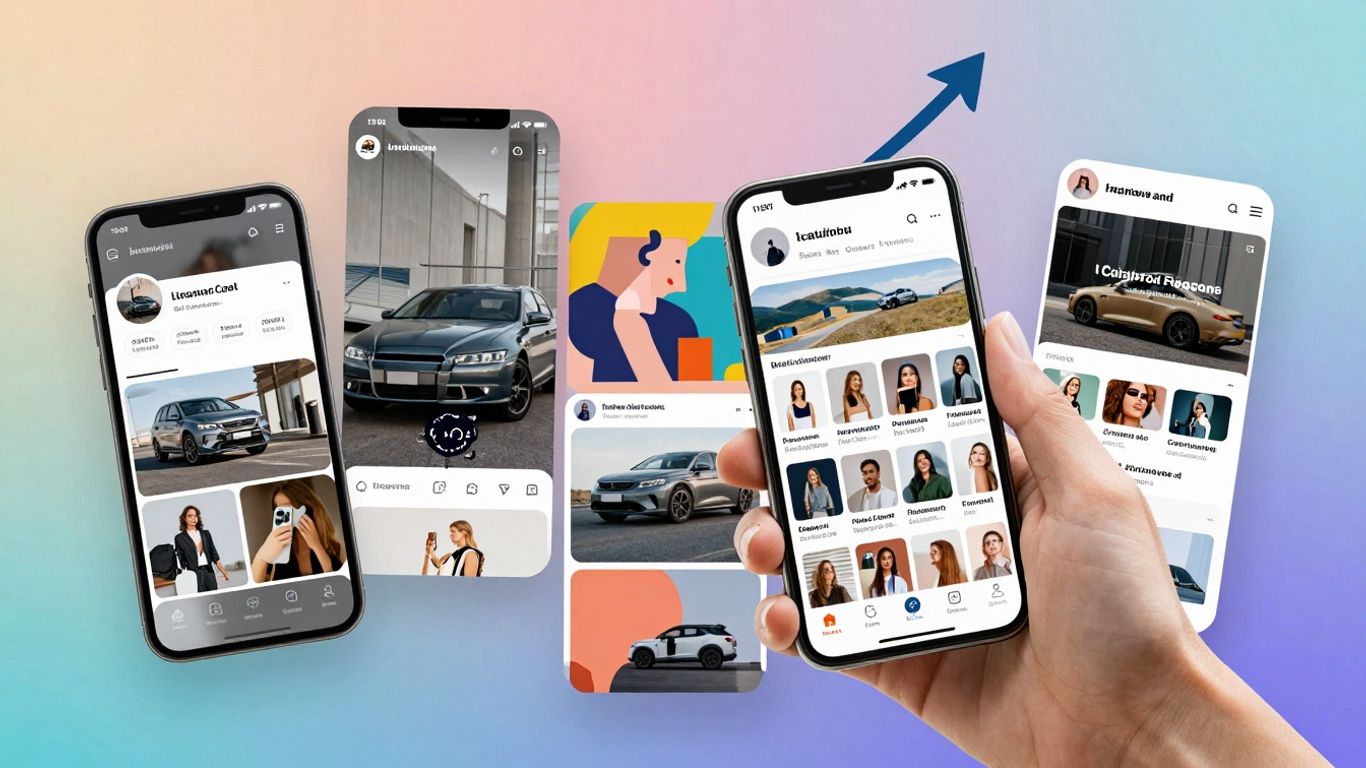
Alright, so you've got your strategy mapped out, but how do you actually show up on someone's feed? Instagram gives you a few different ways to get your message out there, and picking the right one is pretty important. It's not just about slapping an image or video up; each format has its own vibe and works best for different things.
These are the ads you see when you're just scrolling through your main Instagram feed. They blend right in, which can be good, but also means you've got to work a bit harder to grab attention. Image ads are straightforward – a single, strong picture. Think of it like a billboard, but way smaller and on a phone. They're great for showing off one killer product shot or a really striking graphic. Video ads in the feed can be longer, but honestly, shorter, punchier videos tend to do better. People are usually just flicking through, so you've got seconds to make an impression. Then there are carousel ads. These let you string together up to 10 images or videos that people can swipe through. This is super handy if you have a few products to show off, want to tell a mini-story, or need to break down a process step-by-step. It keeps people engaged for longer because they're actively swiping.
Stories are that full-screen, vertical experience that pops up between people's regular Story updates. Because they take over the whole screen, they're pretty hard to ignore. They feel more casual and immediate, which makes them perfect for behind-the-scenes looks or special, limited-time offers. You can use photos, videos, or even carousels within Stories. The key here is to make it look and feel like a regular Story – use text, stickers, and filters if it fits your brand. Since Stories disappear after 24 hours, ads here can create a sense of urgency, pushing people to act fast.
Reels are Instagram's answer to short-form video, and ads here are designed to fit right into that fast-paced, entertaining environment. These ads play between organic Reels, and they're built to be eye-catching from the first second. They're fantastic for showing off personality, quick product demos, or anything that's visually dynamic and engaging. Because Reels are so popular right now, putting your ad here can get you in front of a lot of eyes, especially if your goal is broad reach and getting people talking.
The Explore tab is where people go when they're looking for something new – new accounts to follow, new interests, new products. Ads here can be images, videos, or carousels, and they show up when someone is actively seeking inspiration. This means the audience is already in a discovery mindset, making them more open to seeing new things. Shopping ads, on the other hand, are specifically designed to drive product discovery and sales. They can appear in the Feed, Stories, and Explore, often featuring product tags that let people tap and buy directly. These formats are gold for businesses looking to connect with users who are already in a buying mood.
Choosing the right ad format isn't just about where it shows up; it's about matching the format to your message and your audience's mindset at that moment. A quick, attention-grabbing Reel ad might be great for brand awareness, while a detailed carousel in the feed could be better for explaining a complex product. Think about what the user is doing when they see your ad and what you want them to do next.
Alright, so you've got your strategy mapped out, and you're ready to actually do the thing. Running Instagram ads in 2026 isn't just about throwing money at the platform; it's about being smart and organized. Think of it like building something – you need the right tools and a solid plan before you start hammering away.
First things first, you need to get your ducks in a row. This means linking your Instagram business profile to your Facebook Page. It sounds simple, but it's the backbone for managing everything in Meta Ads Manager. This is where all the magic, or sometimes the mayhem, happens. Once that's sorted, you absolutely have to nail down what you're trying to achieve. Are you trying to get more people to know your brand exists? Drive traffic to your website? Get sign-ups for a webinar? Your goal is the compass for your entire campaign. It tells you which ad formats to use, how to target people, and even how much you should be spending.
This is where things get really interesting. Instagram has some seriously powerful tools to help you find the right people. You can go broad with demographics and interests, or get super specific. Think about people who have already visited your website or maybe even added something to their cart but didn't buy. Those are gold! Then there are lookalike audiences – basically, Instagram finds new people who are just like your best customers. It's like having a digital matchmaker for your business. Getting this right means your ads are shown to folks who are actually interested, not just random scrollers. This is key for reaching a shopping-ready audience [c206].
Now, let's talk money. How much should you spend? And how do you tell Instagram how to spend it? There are different ways to bid, like paying for impressions (how many times your ad is seen) or paying for clicks. For 2026, with AI getting smarter, you'll see more automated options that can help manage this for you. But understanding the basics is still important. You want to get the most bang for your buck, right? So, you'll need to keep an eye on your spending and adjust your bids based on how your ads are performing. It's a bit of a dance between setting a budget and letting the platform work its magic to find the best results.
The goal here is to make your ad spend work as hard as possible. It's not just about setting a number and forgetting it. It's about actively managing your budget and choosing bidding strategies that align with what you want to achieve, whether that's brand awareness or direct sales.
Look, Instagram is a mobile app. Most people are scrolling through their phones, right? So, your ads need to look good and work well on a small screen. This means shooting videos vertically, like how you'd normally film something on your phone. If you use text, make it big and easy to read fast. And keep videos short, like 15 seconds or less. People tap through Stories super quickly, so you gotta grab them right away. The first few seconds are gold – use them wisely.
Your ad should feel like it belongs to your brand. Use your brand's colors and fonts. If your brand is playful, make the ad playful. If it's more serious, keep it that way. People should recognize your brand instantly. It's like seeing a friend across the street; you know it's them right away. This helps build trust and makes your ads memorable.
What you write matters just as much as the picture or video. Keep it short and to the point. Nobody wants to read a novel in their feed. Talk directly to the people you want to reach. If you're selling something for dog owners, use language they'll get. And always tell people what you want them to do next. Do you want them to 'Shop Now,' 'Learn More,' or 'Sign Up'? Make it clear. A good call to action is like a friendly nudge in the right direction.
Here's a quick look at what makes ad copy work:
Remember, most people scroll with the sound off. Your visuals and text need to tell the whole story without audio. Captions and text overlays are your best friends here.
Artificial intelligence is really changing the game for Instagram ads. It's not just about making pretty pictures anymore. AI is getting super smart at tweaking your campaigns while they're running. Think of it like having a tiny, super-fast assistant constantly checking your ads and making small adjustments to get the best results. This means your ads can adapt on the fly to what people are actually responding to, which is pretty wild when you think about it. This constant fine-tuning is key to staying ahead in 2026.
People trust other people, right? That's why ads that look like they were made by regular users, or ads featuring influencers, are still a big deal. They just feel more real. Instead of a slick, corporate ad, you get something that feels like a friend's recommendation. This builds trust, and trust is what leads to sales. Working with creators means you get content that feels authentic and connects with audiences on a more personal level.
Imagine clicking an ad and being able to chat directly with the brand, right there on Instagram. That's conversational commerce, and it's becoming more common. Ads that let you message a business directly can lead to really personalized conversations. This is where brands can answer questions, offer specific advice, and guide you towards buying something. It’s like having a personal shopper, but through your phone. It makes the whole buying process feel much smoother and more tailored to what you need.
So, you've put your Instagram ad strategy into action. That's great! But how do you know if it's actually working? It's easy to spend money on ads and just hope for the best, but that's not really a strategy, is it? We need to look at the numbers. Tracking what matters helps you spend smarter and get more sales.
When you're looking at your ad performance, it's not just about likes and comments. Those are nice, but they don't pay the bills. We need to focus on metrics that show real business impact. Here are a few to keep an eye on:
It's important to look at these together. For example, if your CPL drops but your MQL and SQL rates also go down, you're not really winning. You're just getting cheaper, less qualified leads.
To get these numbers, you need the right tools. Instagram's own ad manager is your first stop. It shows you the basics. But for a clearer picture, you'll want to connect things up.
Setting up tracking correctly from the start is a big deal. Small mistakes in your UTM tags or Pixel setup can mess up your data for months. It's better to take a little extra time upfront to get it right.
Ultimately, ads are about making money. So, we need to connect what we spend on Instagram ads to actual sales and figure out our Return on Investment (ROI). This is where lead scoring comes in handy.
When you get a lead, you can score them based on things like:
By scoring leads, you can focus your sales efforts on the hottest prospects. This means your sales team spends time on people more likely to buy, which improves your overall ROI. You can also track how many of your leads turn into paying customers and how much revenue they bring in. This helps you understand if your ad spend is actually growing your business.
Looking at your CAC compared to the average value of a customer is a good way to see if your ads are profitable. If it costs you $50 to get a customer who spends $200, that's a good return. If it costs $150 to get that same customer, you're losing money.
So, that's the rundown on making your Instagram ads work in 2026. It's not just about throwing money at the platform anymore; it's about being smart. Using AI tools can really speed things up, letting you focus on the creative side, like what you're actually saying and how it looks. Remember to keep things simple, make sure your ads make sense even with the sound off, and always think about the mobile user first. By mixing up your ad types and paying attention to what works, you can definitely turn those scrolls into sales. It’s a busy space out there, but with the right strategy, your brand can stand out.
Instagram is a huge platform with billions of people using it every month! Even though some people might be using social media less, Instagram is still a top spot for brands. It's like a giant marketplace where you can show off your stuff. About half of people who see an ad on Instagram get more interested in that brand. So, using ads smartly is key to getting noticed and making sales.
It really depends on what you want to achieve! For showing off a few products or telling a quick story, regular Feed ads with pictures or short videos work well. If you want people to feel like they're seeing something special or urgent, Story ads are great. For catching attention with fun, short videos, Reels ads are the way to go. And if you want people to buy right away, Shopping ads let them do that without leaving the app.
Think about how people use their phones – most people look at Instagram on their phones, often with the sound off. So, make your ads look good vertically to fill the screen, use clear and big text, and make sure the main message is obvious right away. Adding captions to videos is also super important. And always make sure your ad looks and feels like your brand!
The future is all about smart technology and real people working together. AI will help make ads even better by adjusting them on the fly to get the best results. Working with creators who make cool content will also be big because it feels more real. Plus, ads that let you chat with a brand directly to ask questions and buy things will become more common.
You need to look at important numbers, like how many people saw your ad, how many clicked on it, and how many actually bought something. There are tools that help you watch your ads' performance. The most important thing is to see if the money you spend on ads is bringing in more money through sales. This is called tracking your return on investment (ROI).
Yes, absolutely! AI tools can help you create ad ideas faster, make videos, and even figure out the best times and ways to show your ads to people. They can also help make sure your ads look good on different devices and grab attention. It's like having a smart assistant that helps you make ads that are more likely to work well.