


The Modern Marketing Leader’s Toolkit: AI Fluency, Data Literacy, and Business Acumen

Nitin Mahajan
—
October 4, 2026



Getting more plumbing leads doesn't have to be a mystery. Whether you're just starting out or looking to keep your schedule full, a solid plumbing lead generation strategy makes a big difference. There are plenty of smart, simple ways to bring in more customers for plumbing services without burning yourself out. This guide walks you through some tried-and-true methods to help you attract the right people, book more jobs, and grow your business with less stress. We'll focus on effective plumbing lead generation for 2025.
In today's world, if your plumbing business isn't easily found online, you're practically invisible to most potential customers. Think about it: when a pipe bursts at 2 AM, where's the first place people look? Not the Yellow Pages, that's for sure. They're grabbing their phones. So, making sure your business pops up when they search is absolutely key. Your website and online presence are your digital storefronts, working 24/7 to bring in business.
Your website is more than just a place to list your services; it's where potential customers decide if you're the right fit. It needs to be super easy to use, especially on a phone, because let's be honest, most searches happen there. When someone lands on your site, they should be able to find what they need fast – your phone number, your services, and how to book. We're talking about making it simple for them to take that next step, whether that's calling you or filling out a contact form. Studies show that plumbing websites typically convert between 2% and 5% of visitors into leads. Even small tweaks can make a big difference.
A website that's clunky or hard to use will send potential customers straight to your competitors, no matter how good your plumbing skills are.
SEO is all about helping search engines like Google understand what your business does and where you operate, so they can show you to the right people. When someone searches for "plumber near me" or "emergency water heater repair," you want your business to appear high up in the results. This isn't a quick fix; it takes time and consistent effort, but the payoff is huge. It means more people finding you organically, without you having to pay for every click.
Your online presence is the sum of all the places people can find and interact with your business online. This includes your website, but also your listings in online directories and review sites. Think of it like having a well-organized shop with clear signage and helpful staff. The more consistent and professional your presence is across the web, the more trust you build. This means keeping your business name, address, and phone number the same everywhere, and making sure your information is up-to-date. It's about being found easily and looking credible when people are comparing their options.
In the plumbing world, trust isn't just a nice-to-have; it's pretty much everything. People are calling you because something's broken, and they need someone reliable to fix it. Building that local authority and making sure folks trust you is key to getting those calls.
Think of your Google Business Profile (GBP) as your digital front door. It's often the first place potential customers look when they search for a plumber nearby. Making sure it's complete and accurate is a big deal. This includes your business name, address, phone number (NAP), hours of operation, and a clear description of your services. Adding photos of your team and recent jobs can really make it pop. A well-optimized GBP helps you show up in local map searches, which is where a lot of immediate business comes from.
Online reviews are like digital word-of-mouth, and they carry a lot of weight. Most people check reviews before picking a plumber. You need a system to encourage happy customers to leave feedback. This could be a simple email or text after a job is done. When you get reviews, good or bad, respond to them. Thanking customers for positive feedback shows you care, and addressing negative comments professionally can actually turn a bad situation around. It shows you're committed to customer satisfaction.
Here’s a quick rundown on handling reviews:
Building a strong reputation online takes time and consistent effort. It's about showing potential customers that you're a real business with real people who care about doing good work and treating customers right. This builds confidence before they even pick up the phone.
Beyond your GBP, you need to make sure your website is set up for local search. This means using location-specific keywords throughout your site – think "plumber in [your city]" or "emergency drain cleaning [your neighborhood]." Creating service pages for each area you cover and mentioning local landmarks or community events can also help. Getting listed in local online directories is another good step. For help with this, consider looking into local SEO services that specialize in the plumbing industry. It’s about making it easy for people in your service area to find you when they need you most.
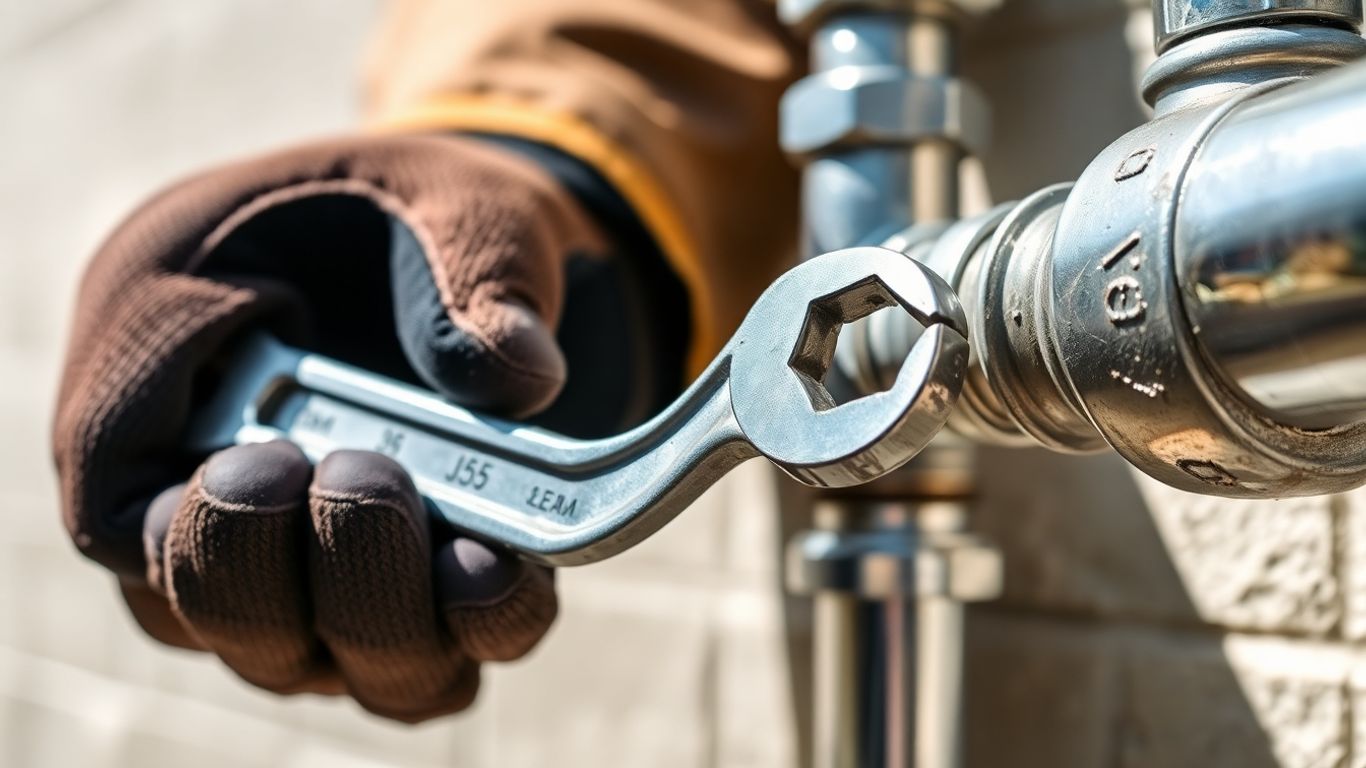
When you need leads fast, paid advertising is the way to go. It's like cutting to the front of the line for potential customers actively searching for plumbing help right now. While organic methods build trust over time, paid ads give you instant visibility. This means you can start getting calls from people who need a plumber today, not next month.
Pay-per-click (PPC) campaigns, especially through Google Ads, are a solid choice for plumbers. You bid on keywords people type into Google when they have a plumbing problem, like "emergency plumber near me" or "clogged drain service." When someone searches for those terms, your ad can show up at the top of the search results. You only pay when someone actually clicks on your ad, hence "pay-per-click." It's a direct way to capture people with immediate needs. Crafting ad copy that speaks directly to customer pain points is key to success. Think about highlighting fast response times and dependable service. For more detailed strategies on maximizing your paid advertising efforts, check out our guide on Driving Traffic to Plumbing Business.
Google Local Service Ads (LSAs) are a bit different and can be really effective for plumbers. These ads, often called "Google Guaranteed," appear even higher up on the search results page than regular PPC ads. The big difference is how you pay: you typically pay for qualified leads, meaning someone contacts you directly through the ad. This can be a great way to manage your budget because you're not paying for just clicks, but for actual potential customers reaching out. It adds a layer of trust since Google vets the businesses that appear in these ads.
Paid advertising lets you get pretty specific about who sees your ads. You can target people based on their location, interests, and even behaviors. For instance, you might want to show ads to homeowners in a certain zip code who have recently moved or are interested in home improvement projects. Platforms like Meta (Facebook and Instagram) are great for this kind of detailed targeting. You can also use retargeting, which shows ads to people who have visited your website before but didn't call. This keeps your business top-of-mind when they're ready to make a decision.
Paid ads can be a powerful tool for immediate lead generation, but it's important to set a clear budget and track your spending carefully. The goal is to get more business than you spend on advertising.
Here's a quick look at how different paid channels can work:
Social media is more than just posting pretty pictures; it's about building a real connection with people in your area. Think of it as your digital storefront, but way more interactive. When someone needs a plumber, you want your name to pop into their head, right? Showing up regularly on platforms like Facebook, Instagram, or even local neighborhood apps can make that happen. It's about being present and showing you're a real, reliable business.
Using social media effectively means showing people what you do and why they should trust you. It's not just about selling; it's about sharing helpful information. You can post quick tips on how to prevent frozen pipes in winter or what to do if a faucet starts dripping. Before-and-after photos of your work, like a sparkling new bathroom fixture or a cleared-out drain, really show off your skills. Short videos are great for this, too – maybe a quick demo on how to check your water heater or a peek behind the scenes of a job. This kind of content helps people get to know your team and builds confidence. For creative inspiration on maximizing these organic channels, explore our guides on Content Marketing Strategies for Plumbers.
Social media is a fantastic place to announce special deals. Think about offering a discount for first-time customers or a special price on a drain cleaning service during a certain month. You can even run contests or giveaways, like a free inspection, to get people talking and sharing your page. This not only brings in new business but also gets your name out there to more potential customers through shares and engagement. It’s a direct way to encourage people to pick up the phone or click your contact button.
Consistency is key here. You don't need to post every single day, but try to have a regular presence. Sharing helpful advice, showcasing your completed projects, and introducing your team members helps build a recognizable brand. When people see your posts regularly, even if they don't need a plumber right now, they'll remember you when a problem pops up. It's about staying top-of-mind and positioning yourself as the go-to expert in your community.
Building a strong social media presence means being active, helpful, and showing the human side of your business. It's about creating a community around your brand, not just broadcasting advertisements. This consistent engagement builds trust and makes your business the first choice when a plumbing emergency strikes.
Getting new customers is great, but what about keeping the ones you already have? Building lasting relationships is key to a plumbing business that doesn't just survive, but thrives. It’s about more than just fixing a leaky faucet; it’s about becoming the trusted professional homeowners call, time and time again.
Once a job is done, don't just disappear. A quick follow-up can make a big difference. Sending a thank-you email or a text message a day or two after service shows you care about their satisfaction. This is also a perfect time to ask for a review or a referral. Automated systems can handle this, so you don't have to remember every single customer. It’s a simple way to stay on their radar and remind them of your great service.
Quick follow-ups show you value your customers' business and satisfaction, turning one-time fixes into ongoing relationships.
Think about preventative care for plumbing. Offering maintenance plans can provide a steady income stream for your business and save your customers from unexpected, costly emergencies. These plans typically involve regular check-ups, like drain cleaning or water heater inspections, at a set price. It’s a win-win: they get peace of mind and you get predictable business. Many homeowners appreciate the proactive approach to keeping their homes in good shape.
Happy customers are your best advertisers. Make it easy for them to spread the word. A simple referral program can go a long way. Offer a discount or a small gift to both the existing customer and the new one they bring in. You can also partner with other local businesses, like real estate agents or property managers, who can recommend your services to their clients. Building these local referral partnerships creates a network of trust that benefits everyone involved.

Getting potential customers to call you is the main goal, right? But how you get them is just as important as getting them at all. We're talking about making sure the leads you get are actually good ones, the kind that turn into paying customers. It’s not just about quantity; it’s about quality. You don't want to waste time talking to people who aren't going to hire you.
Think of a lead magnet as a little freebie you offer on your website. It’s something useful that a homeowner might want, like a checklist for common plumbing problems or a quick guide on how to prevent water heater issues. In exchange for this helpful item, they give you their contact information – usually an email address or phone number. This is great because it captures the interest of people who might not be ready to book a service right now but are definitely thinking about plumbing. It gives you a way to stay in touch and remind them about your business when they are ready.
Offering these kinds of resources shows you're not just trying to sell something. You're providing genuine help, which builds trust from the very first interaction. This makes them much more likely to choose you when a real problem arises.
Sometimes, you're swamped with actual jobs and don't have the time to build up your lead flow from scratch. That's where lead generation services can step in. These companies connect you with people who are actively searching for a plumber. They can be a good option, especially if you need to fill gaps during slower periods or want to scale up quickly. Just be sure you understand how they work. Some charge you for every lead they send, whether you book a job or not. Others might manage ad campaigns for you for a monthly fee. It’s important to ask them exactly what constitutes a 'lead' and if they have ways to filter out fake inquiries or bot traffic. Don't just sign up without understanding the terms and costs.
Not all leads are created equal. You'll encounter a few main types:
Knowing these differences helps you tailor your approach. An emergency call needs a different response than someone inquiring about a bathroom renovation. Focusing on the types of leads that best fit your business and your team's capacity will lead to more successful jobs and happier customers.
So, you've put in the work, right? You've tried out some new ways to get people calling about leaky pipes or clogged drains. But how do you know if it's actually working? That's where measuring your results comes in. It's not just about seeing if the phone rings; it's about understanding where those calls are coming from and if they're turning into paying customers. Without this, you're just throwing money at marketing and hoping for the best, which, let's be honest, rarely works out.
This is probably the most important part. You need to know how much you're spending on each marketing activity and how much money that activity is bringing back in. It sounds simple, but many businesses skip this. You can use tools like Google Analytics to see which ads or website pages are bringing in the most business. It helps you figure out what's worth your time and what's just a drain on your budget. Think of it like this:
Looking at numbers like these helps you decide where to put more money and where to cut back. You don't want to be spending a fortune on something that brings in very little.
Not all leads are created equal, you know? Getting a call from someone who needs a major pipe replacement is different from someone asking for a price on a simple faucet repair. You need to track where your leads are coming from – was it a Google search, a social media ad, a referral? And then, you need to see which sources are giving you the best quality leads, the ones that are more likely to turn into actual jobs. A lead that comes from a targeted ad about emergency plumbing services is probably going to be more valuable than a general inquiry from a broad social media post. It’s about attracting the right kind of customer, not just any customer.
This is where the rubber meets the road. Once you have the data from tracking your ROI and analyzing your leads, you can start making smart changes. If your direct mail campaign isn't bringing in much business, maybe it's time to rethink that strategy or at least adjust the messaging. On the other hand, if your website is converting visitors into leads really well, you might want to invest more in driving traffic there. It’s an ongoing process. You can't just set up a marketing plan and forget about it. The market changes, customer behavior changes, and your strategies need to change with them. It’s like fixing a leaky faucet – you don't just ignore it; you figure out what's wrong and fix it.
The biggest mistake businesses make is not paying attention to the results. They spend money, hope for the best, and then wonder why they aren't growing. You have to be willing to look at the numbers, even if they aren't what you want to see, and then make adjustments. It's the only way to truly improve and get more of the business you want.
So, there you have it. Getting more people to call you for plumbing jobs in 2025 isn't some big secret. It really comes down to showing up where people are looking and making it easy for them to choose you. Whether you're beefing up your website, getting your Google listing just right, or trying out some online ads, the key is to be consistent and see what works best for your business. Don't try to do everything at once. Pick a few strategies, give them a real shot, and pay attention to the results. By putting in the effort now, you'll be setting yourself up for a much busier and more profitable year ahead.
Using paid ads, like Google Local Service Ads or pay-per-click campaigns, can bring in customers quickly. These ads show up when people are actively searching for a plumber right now, helping you get noticed fast.
You need to be visible where people are looking! This means having a good website that's easy to use and making sure your business shows up when people search on Google. Optimizing your Google Business Profile and using search engine optimization (SEO) helps a lot.
Yes, very! Most people check reviews before hiring a plumber. Good reviews build trust and show potential customers that you do a great job. It's smart to ask happy customers to leave reviews.
A lead magnet is something valuable you offer for free, like a checklist for home plumbing tips or a guide to saving water. People give you their contact info (like email or phone number) to get it. This helps you collect contact info from people interested in plumbing, even if they aren't ready to book a service right away.
Definitely! Social media is a great way to connect with people in your area, share helpful tips, and let them know about special offers. It helps build your brand and reminds people about your services when they need them.
You need to track your results! See which methods are bringing in the most customers and which ones are costing too much for the leads they bring. Tools like Google Analytics can help you understand what's working best so you can spend your money wisely.