


The Modern Marketing Leader’s Toolkit: AI Fluency, Data Literacy, and Business Acumen

Nitin Mahajan
—
October 4, 2026



So, you're looking at your Ahrefs data and you see these 'First Seen' and 'Last Seen' dates for your backlinks. What's the deal with that? It's not just random numbers; understanding the difference between when a link first showed up and when it was last noticed can tell you a lot about your website's SEO health. It’s like looking at a backlink’s history book, and there’s some pretty useful info in there if you know where to look. Let's break down what this first seen last seen difference in Ahrefs really means and how you can use it.
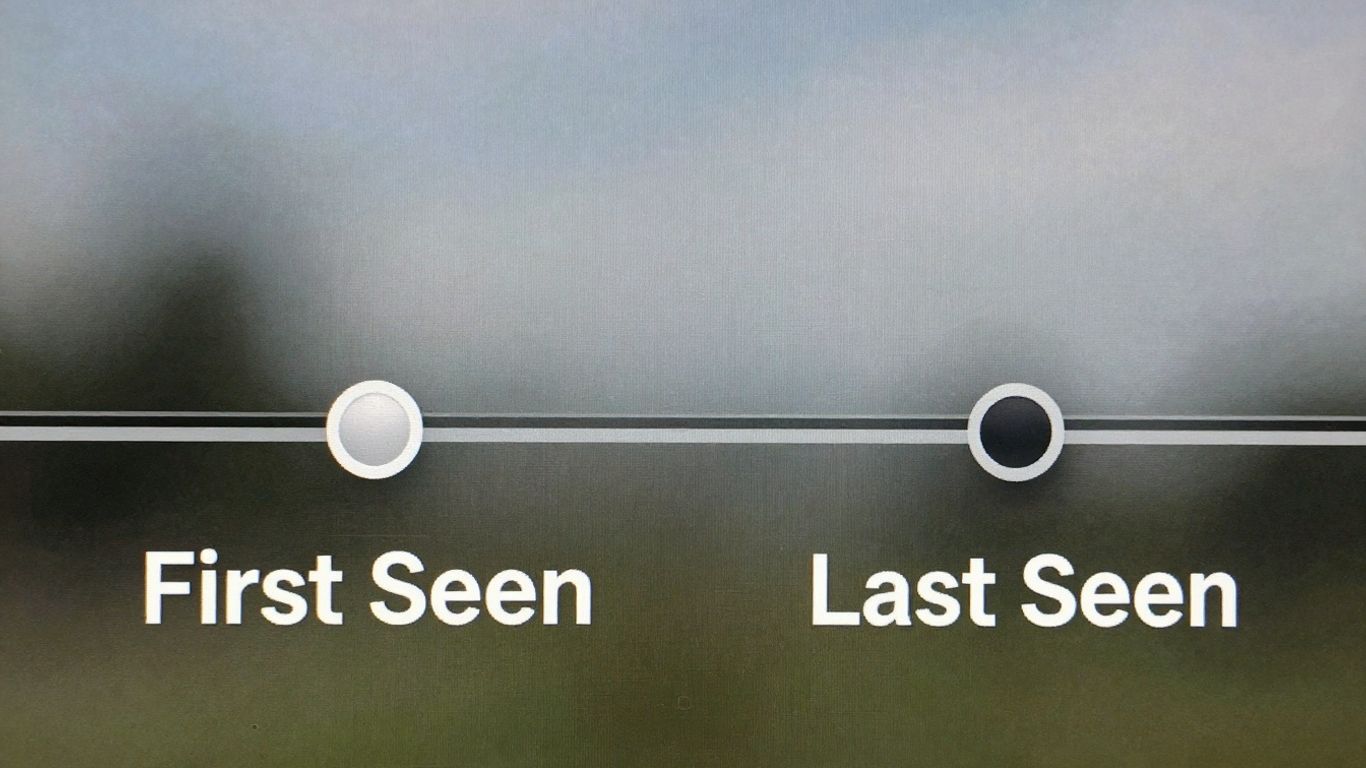
When you're looking at backlinks in Ahrefs, you'll notice two dates associated with each one: 'First Seen' and 'Last Seen'. These aren't just random timestamps; they tell a story about a link's history and its presence on the web. Think of it like this: 'First Seen' is when Ahrefs' crawlers first spotted that particular link pointing to your site. It's the moment that link officially entered your backlink profile in their system. 'Last Seen', on the other hand, is the most recent time Ahrefs' crawlers detected that same link. This tells you if the link is still active and present.
Basically, 'First Seen' marks the initial discovery of a backlink by Ahrefs' systems. It's the start date for that link's record in your profile. 'Last Seen' indicates the most recent scan where that link was still found. If a link's 'Last Seen' date is recent and matches or is close to the current date, it means the link is live. If the 'Last Seen' date is much older than the 'First Seen' date, or if there's no 'Last Seen' date at all (meaning it hasn't been seen recently), it suggests the link might have disappeared or is no longer active.
Why bother with these dates? Well, they give you a sense of a backlink's lifespan and stability. A link that's been around for years, with consistent 'Last Seen' dates, is generally more stable than a link that appeared yesterday and might vanish tomorrow. This time-based data helps you understand:
This information is super helpful for figuring out which links are reliable and which might be temporary or have dropped off.
Ahrefs continuously crawls the web, checking billions of pages for new and existing links. When a crawler finds a link to your site, it records the date. If that link is still there on a subsequent crawl, it updates the 'Last Seen' date. If a link disappears and then reappears later, Ahrefs will record a new 'First Seen' date for that reappearance, but the original 'First Seen' date will still be visible in the historical data. This process allows Ahrefs to build a historical record of your backlink profile, showing not just who links to you, but also when those links appeared and if they've stuck around.
Building a profile of links that actually stick around is the hard part, which is why many brands rely on a backlink building service like Bad Ass Backlinks to earn stable, editorially placed links through manual white-hat outreach.
Understanding these timestamps is key to interpreting the full picture of your backlink profile. It moves beyond just a simple count of links to a more nuanced view of their history and reliability.
So, you've got your backlink data, and you're looking at these 'First Seen' and 'Last Seen' dates. What's the big deal? Well, it's not just about knowing when a link popped up or disappeared. It's about understanding the story behind that link. Think of it like this: 'First Seen' is when Ahrefs first noticed a link pointing to your site. 'Last Seen' is the most recent time it was spotted. The difference between these two dates tells you a lot about a backlink's lifespan and its stability.
Sometimes, links just vanish. Maybe the page they were on got deleted, or the website owner decided to clean house. When a link's 'Last Seen' date is significantly older than the 'First Seen' date, and it's no longer present, it means that link is gone. This can happen for all sorts of reasons. It's like finding out your favorite local shop closed down – a bit sad, but it happens.
On the flip side, you'll see links where the 'First Seen' and 'Last Seen' dates are very close together, or the 'Last Seen' date is very recent. This usually means you've got a fresh link. These are the new kids on the block, so to speak. They might not have the same authority as older links yet, but they show that your site is still attracting attention and new connections. It's a good sign that your content is being found and shared.
The real magic happens when you look at the gap between these two dates. A small gap, especially with a recent 'Last Seen' date, suggests a stable, ongoing link. A large gap, where the 'Last Seen' date is much older than the 'First Seen' date, might indicate a link that was present for a long time but has since disappeared. Or, it could mean the link is still there, but Ahrefs just hasn't re-crawled that specific page recently. It's important to cross-reference this with the actual live site to confirm if the link is still active.
The time a backlink has been active, as indicated by the difference between its 'First Seen' and 'Last Seen' dates, provides a narrative about its reliability and potential impact on your site's authority. Older, stable links often carry more weight than fleeting ones.
This analysis helps you understand the health of your backlink profile. Are your links generally long-lasting, or are they constantly coming and going? Knowing this can help you make smarter decisions about your SEO strategy. For instance, if you notice a lot of links disappearing, you might need to investigate why. Are you losing links from low-quality sites, or are valuable ones vanishing? This kind of detective work is key to maintaining a strong online presence.
Thinking about how old your backlinks are can actually give you a pretty good idea of what's working and what's not. It's not just about having a lot of links; it's about the kind of links and how long they stick around.
New links are often seen as a fresh vote of confidence for your website. When Ahrefs shows a link was 'First Seen' recently, it means a site just started pointing to yours. This can be a good sign, especially if the linking site is relevant and has some authority. These newer links can sometimes give your search rankings a quicker nudge because search engines are actively noticing them.
On the flip side, links that have been around for a long time, with a 'First Seen' date far in the past and still showing up as 'Last Seen' recently, are usually quite stable. These are the links that have stood the test of time. They often come from authoritative sites that consistently value your content. These long-standing links are typically the bedrock of a strong backlink profile. They suggest a sustained relationship or a consistently valuable resource on your site.
Link decay is a real thing. Sometimes, links that used to point to your site just... disappear. This can happen for many reasons: the linking page is removed, the website changes its structure, or maybe the site owner decides to update the content and removes the link. When you see a big gap between 'First Seen' and 'Last Seen' dates, or if a link that was 'Last Seen' a while ago is no longer showing up at all, it's a sign of decay. This loss can impact your SEO if those links were providing significant value.
Losing backlinks isn't always a disaster, but it's something you need to watch. If a lot of your older, high-quality links start to vanish, it could mean your site's perceived value has dropped, or the linking sites are changing their content strategy. It's a good prompt to check why those links are going away and if you need to rebuild that authority elsewhere.
Here's a quick look at what different date gaps might suggest:
Looking at when a backlink first appeared and when it was last seen can tell you a lot more than just whether a link is active. It's like looking at the history of a relationship – you can see when it started, if it's still going strong, or if it's faded away. This kind of data helps you make smarter moves with your SEO strategy.
Sometimes, links just disappear. Maybe a page was taken down, or a site owner decided to clean up their links. When a link that used to point to your site vanishes, it can take some of that
So, you've put a lot of work into a piece of content, and it's been getting some good links over time. But what happens when you update it? Does Ahrefs see it as the same old page, or does it get a fresh start in the eyes of the crawler? It turns out, updating your content can actually reset or refresh the 'First Seen' date for newly acquired backlinks. This is pretty neat because it means older, evergreen content that you keep current can appear to be 'newer' in terms of its link acquisition timeline.
Let's look at an example. Imagine a blog post about "Best SEO Tools." Initially, it got a few links when first published. Then, a year later, you update it with new tools and data. If a new site links to your updated post, Ahrefs might log that link with a 'First Seen' date reflecting the recent update, not the original publication date. This can make your content seem more dynamic and relevant to linkers.
Here’s a simplified look at how this might play out:
This shows that actively maintaining your content can influence how new backlinks are timestamped, potentially giving your updated pieces a boost in perceived freshness.
Redirects, especially 301s, are a common part of website management. When a page moves or is deleted, a redirect points users and search engines to a new location. But how does this affect the 'First Seen' and 'Last Seen' data in Ahrefs? Generally, if a backlink points to a URL that now has a 301 redirect to a new page, Ahrefs will typically associate that backlink with the target URL (the new page) and log the 'First Seen' date based on when the link was first crawled pointing to the original URL. The 'Last Seen' date will reflect when the redirect was last crawled. This means the link equity can still flow, but the timestamp might reflect the original link's appearance, not necessarily the redirect's implementation.
It's a bit like forwarding your mail. The post office knows your new address, but the history of your old address still exists. For SEO, this means:
Understanding this helps when you're auditing your backlink profile, especially after site migrations or content restructuring. You want to make sure those old links are still pointing where they should be and that their history is being accounted for. It’s important to keep an eye on these redirects to avoid losing any valuable link equity.
We often think about backlinks in terms of their authority or relevance, but their age, as indicated by 'First Seen' and 'Last Seen' dates, can also tell a story about traffic potential. Older, established backlinks that have consistently been 'seen' over a long period might indicate a stable, ongoing referral source. Conversely, a backlink that suddenly appears ('First Seen' is recent) and is still being 'seen' ('Last Seen' is current) might be associated with a newer, potentially trending piece of content or a site that's gaining traction.
Consider this scenario:
Analyzing the age of your backlinks alongside traffic data can reveal which links are consistently performing and which might be part of a temporary spike. It helps in understanding the long-term value versus short-term gains from your link profile.
By looking at the gap between 'First Seen' and 'Last Seen' for links pointing to specific pages, you can start to infer patterns. A large gap suggests a long-standing link, while a small gap might indicate a more recent or perhaps volatile link. This kind of analysis helps refine your strategy, focusing on nurturing those stable, long-term referral sources while also capitalizing on new opportunities as they arise.

So, you've got a handle on what 'First Seen' and 'Last Seen' mean, and you're starting to see how the difference between them tells a story. But we can go deeper. Let's talk about some more involved ways to use this data to really get ahead.
Think about your existing content. When you look at a piece that's been around for a while, you can check its backlink history. Did it pick up a bunch of links early on and then stop? Or maybe it's slowly accumulating new ones? This can tell you if your content is still relevant or if it needs a refresh. We can also look at the 'First Seen' date for links pointing to a specific page. If a page has a lot of older links, it might be a sign of established authority. But if those links are also disappearing (check your 'Last Seen' dates!), it could mean the content is becoming outdated or the linking site has changed. This kind of historical backlink data is gold for understanding content performance over time.
Here's a quick way to think about it:
When you're putting together reports for clients or your own team, just listing the number of backlinks doesn't cut it anymore. You need to add context. By including the 'First Seen' and 'Last Seen' dates, you can show the dynamics of your backlink profile. Instead of saying 'we gained 50 links this month,' you can say 'we gained 50 links, and 30 of them are new, while 20 are re-acquired or previously lost links that have reappeared.' This paints a much clearer picture of the health and activity of your link building efforts. It also helps in tracking the lifespan of links, which is pretty important for long-term SEO strategy. You can see if you're just getting a lot of temporary links or building a solid, lasting foundation. For a deeper dive into how backlinks work, you can check out the Wikipedia entry on backlinks.
Looking at the 'First Seen' and 'Last Seen' data over extended periods can help you predict future trends. If you notice a pattern where certain types of content consistently attract links that stay for a long time, you know what to focus on. Conversely, if you see a lot of links appearing and then disappearing quickly, you might need to re-evaluate your link building tactics or the quality of the sites you're getting links from. This predictive analysis can guide your content creation and outreach strategies. It's about moving from just reacting to what's happening to proactively shaping your backlink profile for sustained growth. Understanding metrics like Domain Authority can also play a role here, giving you a more complete picture of link quality.
Analyzing the age and lifespan of your backlinks isn't just an academic exercise. It directly impacts how you allocate resources for content creation and outreach. Focusing on acquiring links that have a higher probability of longevity can lead to more stable and predictable SEO performance, rather than a constant churn of new but fleeting connections.
So, we've looked at how Ahrefs tracks when a backlink first shows up and when it disappears. It’s not just about knowing if a link exists, but understanding its history. This kind of data can tell you a lot about how a website's authority changes over time, or maybe if a link was part of a temporary campaign. It’s another piece of the puzzle when you’re trying to figure out why some sites rank well and others don’t. Keep an eye on these dates; they might just give you an edge.
Think of 'First Seen' as the first time Ahrefs noticed a website linking to a page. 'Last Seen' is the most recent time Ahrefs saw that link. It's like checking when a friend first visited your house and the last time they were there.
Knowing when links appear and disappear helps you understand how stable your website's connections are. It's like seeing which friends are regular visitors and which ones stopped coming over, which can affect how popular your 'house' (website) seems.
A big difference might mean a link is old and has been around for a while, which can be good. A small difference, especially if the 'Last Seen' date is very recent, suggests a new link. This helps you see if your efforts to get new links are working or if old links are disappearing.
If a link Ahrefs saw before is no longer there ('Last Seen' is much older than 'First Seen', or it's gone completely), it's like a friend moved away. You might want to check why it disappeared and see if you can get that link back or find a new one to replace it.
Yes! If a link has a 'First Seen' date that's very recent, it's a new link. This is great for seeing if your current promotion or content is attracting attention from other websites.
Older links that have been around for a long time can be very valuable, showing consistent support. However, links can also 'fade' over time, like old friendships. Keeping your links fresh and building new ones is important to keep your website strong in search results.